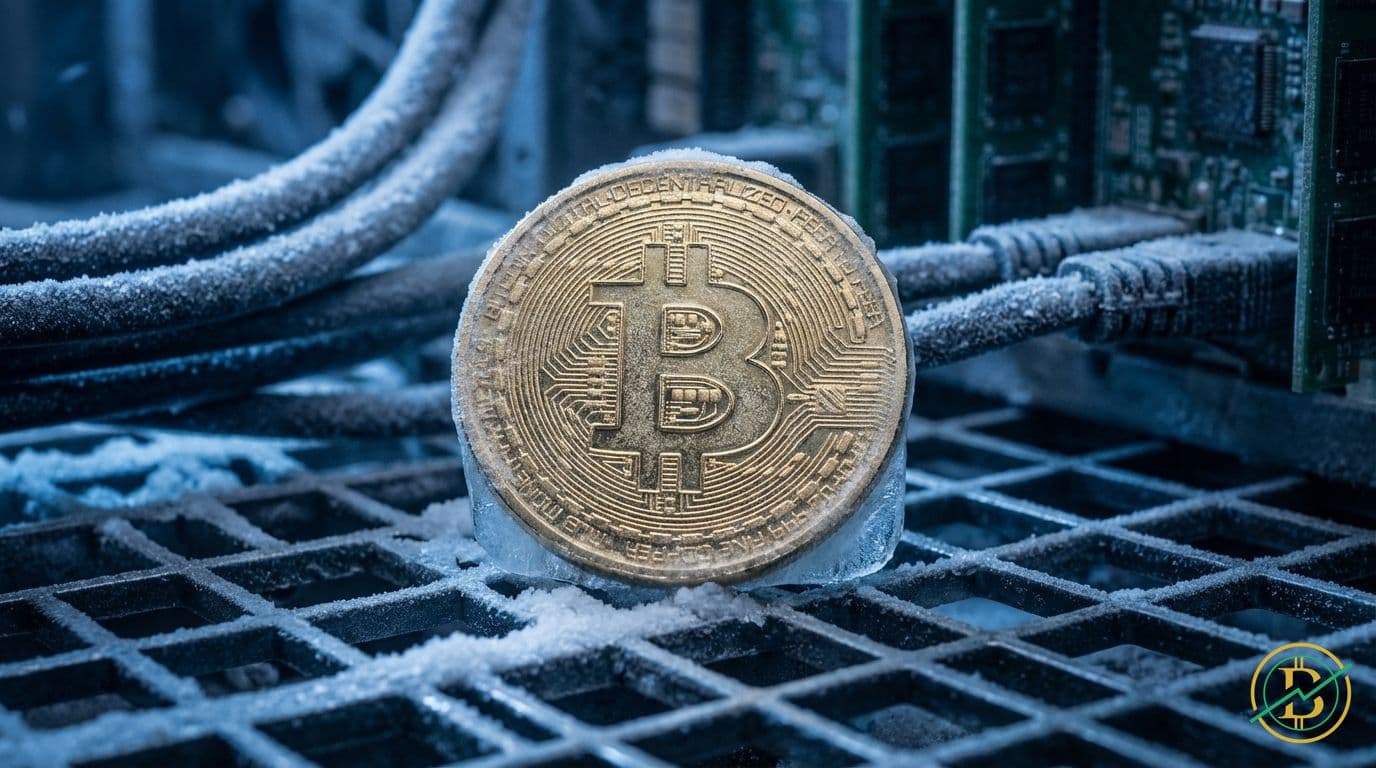
US Bitcoin Mining Capacity Suffers Blow from Recent Winter Storms
New data provides a granular look at the impact of extreme winter weather on United States based Bitcoin mining operations. The industry, already navigating complex macroeconomic conditions and the ongoing halving cycle, faced a significant operational hurdle as severe storms swept across the country recently. The disruption, primarily centered on areas experiencing strained power grids, highlights the vulnerabilities inherent in the current Bitcoin mining infrastructure and its reliance on consistent, affordable energy sources.
Initial reports from key industry players, combined with data from CORE, a prominent Bitcoin mining pool, indicate a noticeable decline in hash rate contributed by US based miners during the peak of the storms. This reduction in computational power directly translates to a decrease in the overall Bitcoin network hash rate, potentially impacting the speed at which new blocks are mined and transactions are confirmed. While the exact figures fluctuate daily, the trend reveals a clear correlation between the intensity of the storms and the curtailment of mining activities.
The primary driver behind this downturn was the proactive measures taken by mining operators to alleviate pressure on local power grids. Faced with warnings of potential blackouts and increasing electricity costs, many miners temporarily shut down or significantly reduced their operations. This strategic move, while impacting their own profitability in the short term, served to assist in maintaining the stability of the broader energy infrastructure. The decision making process was influenced by factors such as power purchase agreements, the Bitcoin price, and the anticipated duration of the weather event.
Furthermore, the geographic distribution of Bitcoin mining operations within the US played a crucial role in the severity of the impact. Regions with a higher concentration of mining facilities, such as Texas and other states with deregulated energy markets, likely experienced a more pronounced effect. CPR and UTED, two other major Bitcoin mining firms with significant US presence, both acknowledged operational adjustments during the storms, further underscoring the widespread nature of the disruption.
The implications of these weather related shutdowns extend beyond the immediate reduction in hash rate. They underscore the importance of energy diversification and grid resilience within the Bitcoin mining sector. The need for miners to strategically locate facilities in areas with more robust and sustainable energy supplies, including renewable sources, becomes increasingly apparent. As the cryptocurrency industry matures, it's expected that greater emphasis will be placed on proactive measures to mitigate future weather related disruptions, ensuring the continued stability and efficiency of the Bitcoin network. As BTC mining operations evolve, the industry is also carefully monitoring evolving regulatory landscapes that may impact energy usage and costs. The long term effects of these recent events are still unfolding, but data continues to be tracked daily to help determine the implications.
⚡Trading Benefits
20% CashbackLifetime cashback on all your trades.
- 20% fees back — on every trade
- Paid out directly by the exchange
- Set up in 2 minutes
Affiliate links · No extra cost to you
20%
Cashback
Example savings
$1,000 in fees
→ $200 back
Related Articles

Byreal Launches Perpetual Futures Trading with Real World Asset Backing

Yen and Sterling Showdown: Traders Watch BoJ and BoE Policy Decisions

Cango's Bitcoin Sale: A Strategic Deleveraging in the Crypto Market

Australian Central Bank Governor Signals Stability Amidst Policy Shifts
Disclaimer
This article is for informational purposes only. The content does not constitute financial advice, investment recommendation, or solicitation to buy or sell securities or cryptocurrencies. Biturai assumes no liability for the accuracy, completeness, or timeliness of the information. Investment decisions should always be made based on your own research and considering your personal financial situation.