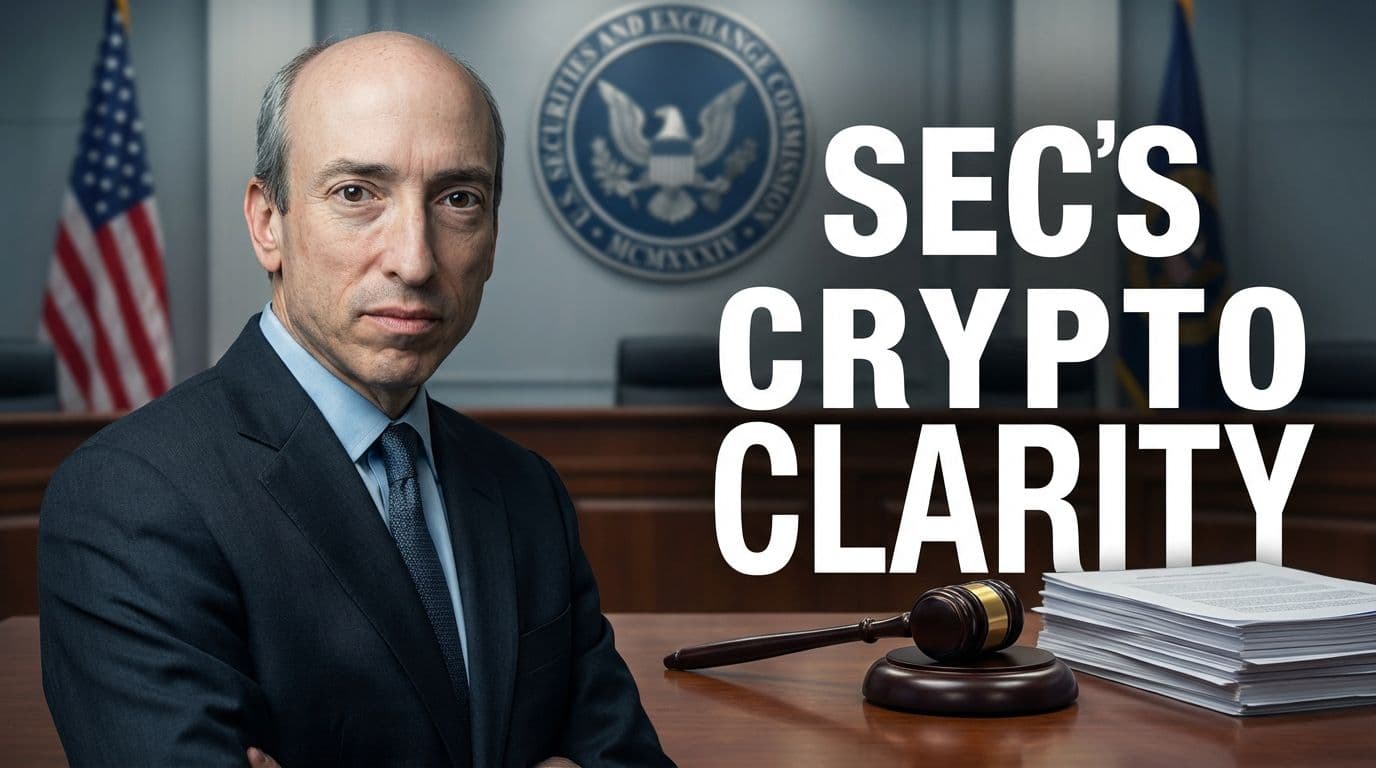
Tokenized Securities Under the Microscope SEC Clarifies Regulatory Landscape
The Securities and Exchange Commission is currently taking a definitive stance on tokenized securities, providing clarity that's been eagerly awaited by institutional investors and seasoned cryptocurrency traders alike. The SEC’s recent pronouncements, though not entirely surprising, have significant implications for how digital assets representing traditional securities will be structured, traded, and regulated. These clarifications aim to eliminate persistent gray areas and foster a more transparent and compliant ecosystem.
The central takeaway from the SEC’s recent guidance revolves around the fundamental principle that the underlying nature of a security remains unchanged, regardless of its representation on a blockchain. This means that if a digital asset represents a share in a company, a bond, or any other instrument traditionally classified as a security, it is still subject to the full spectrum of existing securities laws. The SEC's emphasis here is on the substance of the asset, not its technological wrapper.
This approach has several practical consequences. Issuers of tokenized securities must adhere to registration requirements, including providing detailed disclosures to investors. Broker dealers facilitating the trading of these assets must register with the SEC and comply with regulations governing trading platforms, custody, and anti money laundering (AML) and know your customer (KYC) procedures. Furthermore, the SEC is actively scrutinizing the role of intermediaries, such as digital asset custodians, and how they handle the storage and safekeeping of these tokenized assets.
For established cryptocurrency market participants, this regulatory framework provides both challenges and opportunities. Exchanges that wish to list tokenized securities will need to invest in robust compliance programs to meet the SEC’s requirements. This may involve significant upgrades to infrastructure, including implementing enhanced KYC/AML protocols and strengthening cybersecurity measures to protect investor assets. However, compliance also offers a pathway to legitimacy. Exchanges that successfully navigate these regulations could unlock access to a wider pool of institutional investors who are often hesitant to engage with unregulated digital assets.
The SEC's focus on intermediaries also has implications for the DeFi sector. While the decentralized finance ecosystem is rapidly evolving, the SEC is making it clear that platforms facilitating the trading or custody of tokenized securities will be subject to regulatory oversight. This could lead to a shift in how some decentralized exchanges (DEXs) operate, potentially necessitating greater centralization to comply with established rules.
Ultimately, the SEC’s recent guidance is a clear signal of the agency’s commitment to integrating digital assets into the existing financial system, but it's happening under strict conditions. Cryptocurrency traders and institutional investors should carefully examine these new rules to understand how they will impact their strategies and investments. The evolving regulatory landscape necessitates ongoing due diligence and a proactive approach to compliance. The future of tokenized securities hinges on the industry's ability to adapt and adhere to the SEC's evolving guidelines.
⚡Trading Benefits
20% CashbackLifetime cashback on all your trades.
- 20% fees back — on every trade
- Paid out directly by the exchange
- Set up in 2 minutes
Affiliate links · No extra cost to you
20%
Cashback
Example savings
$1,000 in fees
→ $200 back
Disclaimer
This article is for informational purposes only. The content does not constitute financial advice, investment recommendation, or solicitation to buy or sell securities or cryptocurrencies. Biturai assumes no liability for the accuracy, completeness, or timeliness of the information. Investment decisions should always be made based on your own research and considering your personal financial situation.