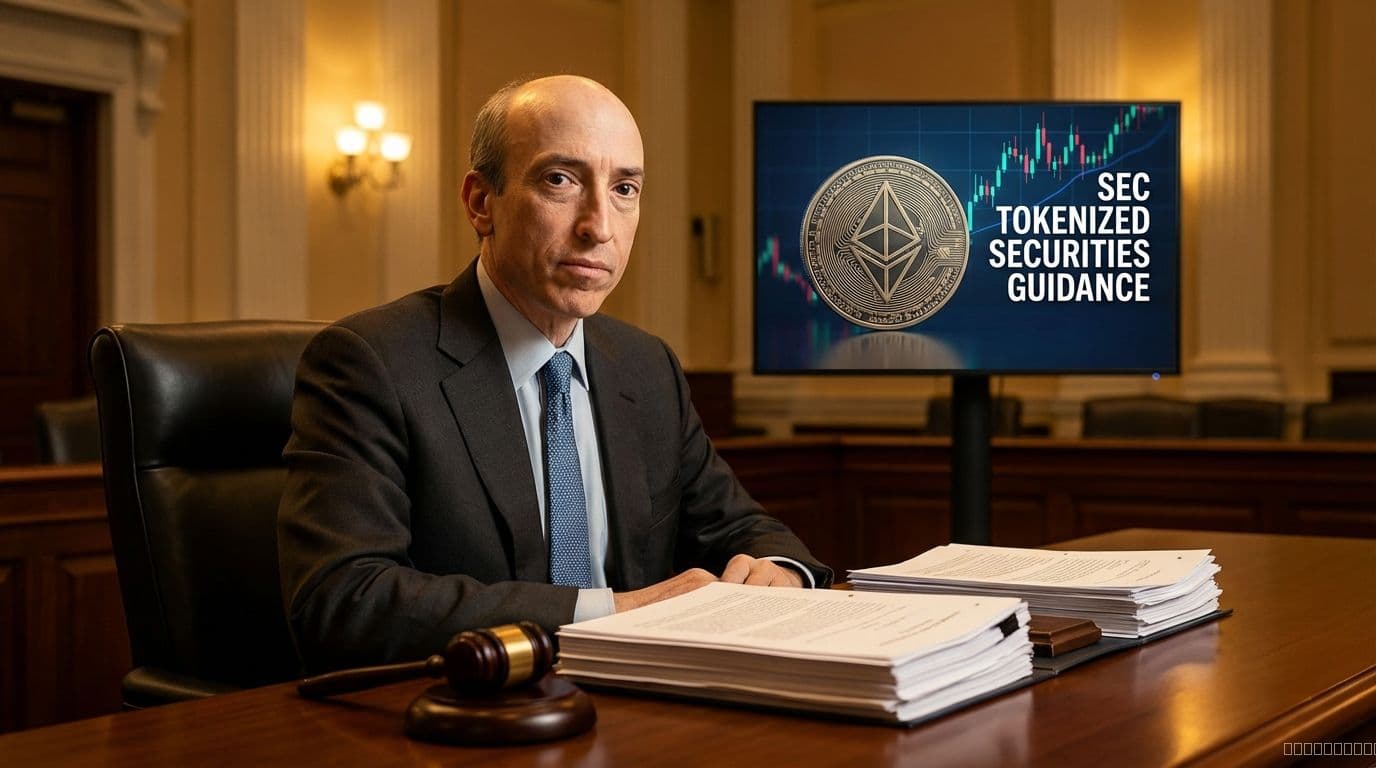
SEC Guidance on Tokenized Securities Reshapes Compliance Landscape
The United States Securities and Exchange Commission (SEC) has recently issued updated guidelines concerning tokenized securities, sending ripples throughout the financial markets and impacting compliance procedures for both established institutions and emerging cryptocurrency ventures. This clarification addresses the evolving landscape of digital assets and provides a more concrete framework for how these instruments will be regulated. Experienced crypto traders are advised to pay close attention, as these changes will directly influence trading strategies and investment decisions.
The SEC's primary focus in these new guidelines is on ensuring that tokenized securities adhere to existing securities regulations. This means that any digital asset representing a share of ownership, debt, or other financial instrument must comply with registration and disclosure requirements, similar to traditional securities. The implications of this are far reaching, affecting everything from initial coin offerings (ICOs) to the secondary trading of tokenized assets on exchanges.
Specifically, the guidance reinforces the SEC’s stance on the definition of a security. Any token that falls under this definition, based on the Howey test or other relevant legal precedents, must be registered with the SEC or qualify for an exemption. This includes tokens representing equity in a company, debt instruments, or even certain types of utility tokens that could be considered investment contracts. The emphasis on compliance highlights the SEC's commitment to protecting investors and maintaining the integrity of the financial markets.
The guidance also touches upon the role of exchanges and platforms that facilitate the trading of tokenized securities. These platforms are now subject to increased scrutiny and must comply with regulations regarding know your customer (KYC) and anti money laundering (AML) protocols. The SEC is actively working to ensure that these platforms implement robust measures to prevent illicit activities and protect investors from fraud. This could potentially influence the types of assets listed on various exchanges and the due diligence processes required of listing applicants.
Major players in the traditional financial sector, such as JPMorgan, have begun exploring tokenization strategies, showcasing the growing interest in this technology. Understanding the SEC’s stance is therefore crucial for any firm looking to participate in the tokenized securities market. The regulatory clarity could potentially accelerate the institutional adoption of digital assets, but also imposes significant compliance burdens. This will likely lead to greater investment in compliance infrastructure and expertise within firms involved in the issuance and trading of tokenized securities.
Furthermore, the updated guidelines also consider the impact on market participants. Firms and individuals trading tokenized securities need to be aware of the increased regulatory requirements and potential legal ramifications of non compliance. The long term effects of these regulations could influence the types of tokenized assets that are brought to market, the trading venues that are available, and the overall liquidity of the market for tokenized securities. The situation is constantly evolving, so staying informed is paramount for navigating the regulatory landscape. The SEC’s actions will continue to shape the future of digital assets and how they are integrated into the broader financial ecosystem.
⚡Trading Benefits
20% CashbackLifetime cashback on all your trades.
- 20% fees back — on every trade
- Paid out directly by the exchange
- Set up in 2 minutes
Affiliate links · No extra cost to you
20%
Cashback
Example savings
$1,000 in fees
→ $200 back
Related Articles

Fresh Listings Fuel Bullish Momentum: BASED Token Soars as New Crypto Assets Gain Traction

South Korea Reconsiders Crypto Exchange Operations for Enhanced Asset Protection

Rupiah Under Pressure: Indonesia’s Currency Navigates Global Uncertainty

Oil Price Volatility Persists Bolstering Crypto’s Defensive Plays
Disclaimer
This article is for informational purposes only. The content does not constitute financial advice, investment recommendation, or solicitation to buy or sell securities or cryptocurrencies. Biturai assumes no liability for the accuracy, completeness, or timeliness of the information. Investment decisions should always be made based on your own research and considering your personal financial situation.