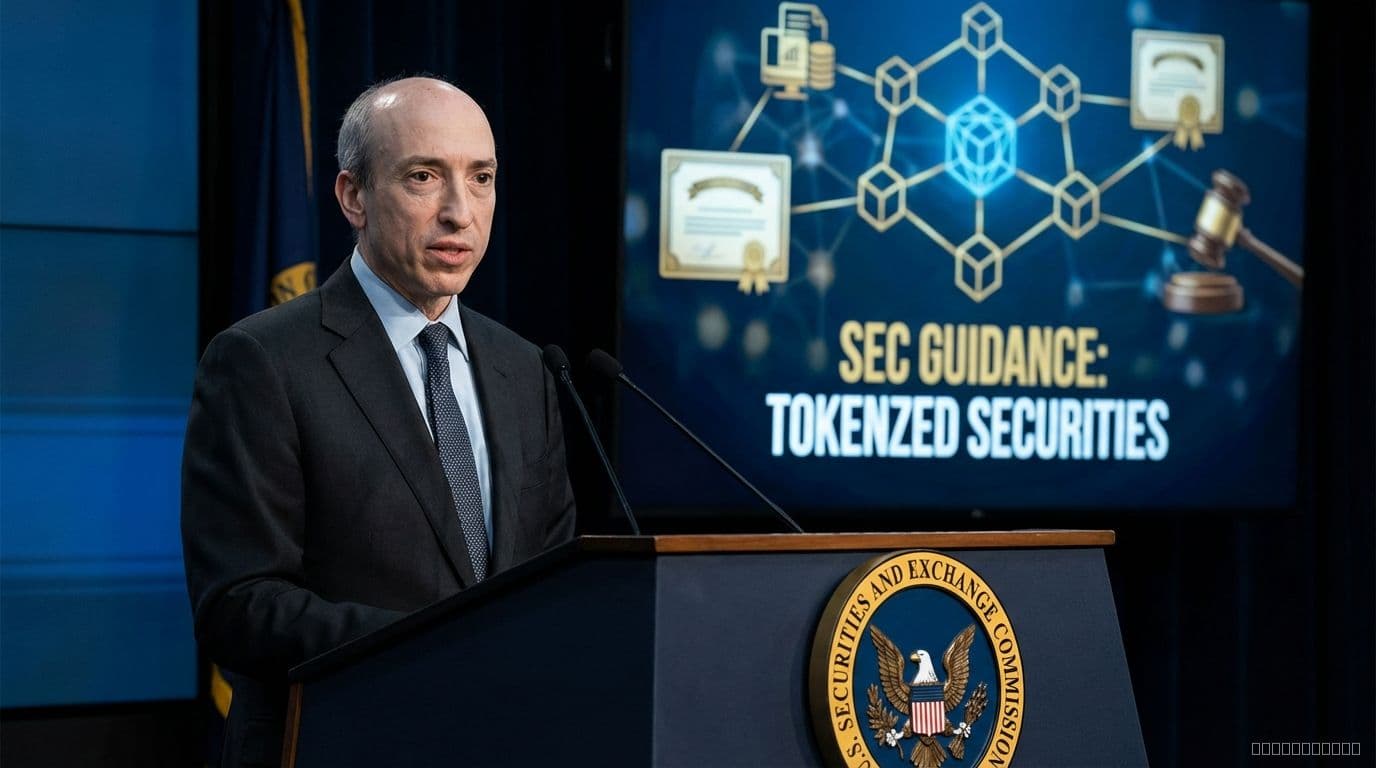
SEC Clarifies Tokenized Securities Landscape for Crypto Traders
The Securities and Exchange Commission (SEC) has provided further clarity on the regulatory treatment of tokenized securities, a development with significant implications for experienced cryptocurrency traders. This recent guidance emphasizes how existing US securities laws apply to digital assets representing traditional securities, effectively categorizing them based on their origination. Understanding these distinctions is crucial for anyone involved in trading or holding tokenized assets.
The SEC's framework largely centers around two primary classifications: issuer sponsored tokenized securities and third party tokenized securities. Issuer sponsored tokens are those directly issued and managed by the original entity behind the traditional security. This could involve a company tokenizing its own shares or bonds. Under this structure, the SEC maintains that these tokenized versions are subject to the same regulations and investor protections as their non tokenized counterparts. This means that all the existing rules regarding registration, disclosure requirements, and investor rights remain fully applicable. Traders should therefore expect the same level of due diligence and compliance when dealing with issuer sponsored tokenized assets as they would with conventional securities.
Third party tokenized securities, on the other hand, involve a separate entity tokenizing existing securities. This could involve a custodian or a specialized platform that mints tokens representing shares of a publicly traded company, for example. The SEC's stance here is that the underlying security still dictates the regulatory framework. The third party creating the tokenized version may also have their own set of compliance obligations, particularly if they are deemed to be acting as broker dealers or investment companies. Crypto traders should pay close attention to the nature of the third party involved and the specific arrangements governing the tokenization process. Key considerations include the custody of the underlying assets and the mechanisms for redemption.
The SEC's clarification underscores the agency's commitment to integrating digital assets into the existing regulatory structure. This approach aims to provide investor protection while allowing for innovation in the financial markets. For experienced cryptocurrency traders, this means that the due diligence process when evaluating tokenized securities must mirror the process used when assessing traditional securities. Information found in a whitepaper is no longer sufficient. Traders should examine the issuer, the underlying asset, the tokenization platform, and the specific regulatory framework applicable to the particular tokenized security.
The implications of this SEC guidance are considerable for the cryptocurrency market. It establishes a clear precedent for how tokenized assets will be treated under US securities laws. This will influence how various market participants, including exchanges, custodians, and issuers, structure their operations. Traders who understand these regulatory nuances will be better positioned to navigate the evolving landscape of tokenized securities, mitigate risk, and make informed investment decisions in this dynamic market.
⚡Trading Benefits
20% CashbackLifetime cashback on all your trades.
- 20% fees back — on every trade
- Paid out directly by the exchange
- Set up in 2 minutes
Affiliate links · No extra cost to you
20%
Cashback
Example savings
$1,000 in fees
→ $200 back
Disclaimer
This article is for informational purposes only. The content does not constitute financial advice, investment recommendation, or solicitation to buy or sell securities or cryptocurrencies. Biturai assumes no liability for the accuracy, completeness, or timeliness of the information. Investment decisions should always be made based on your own research and considering your personal financial situation.