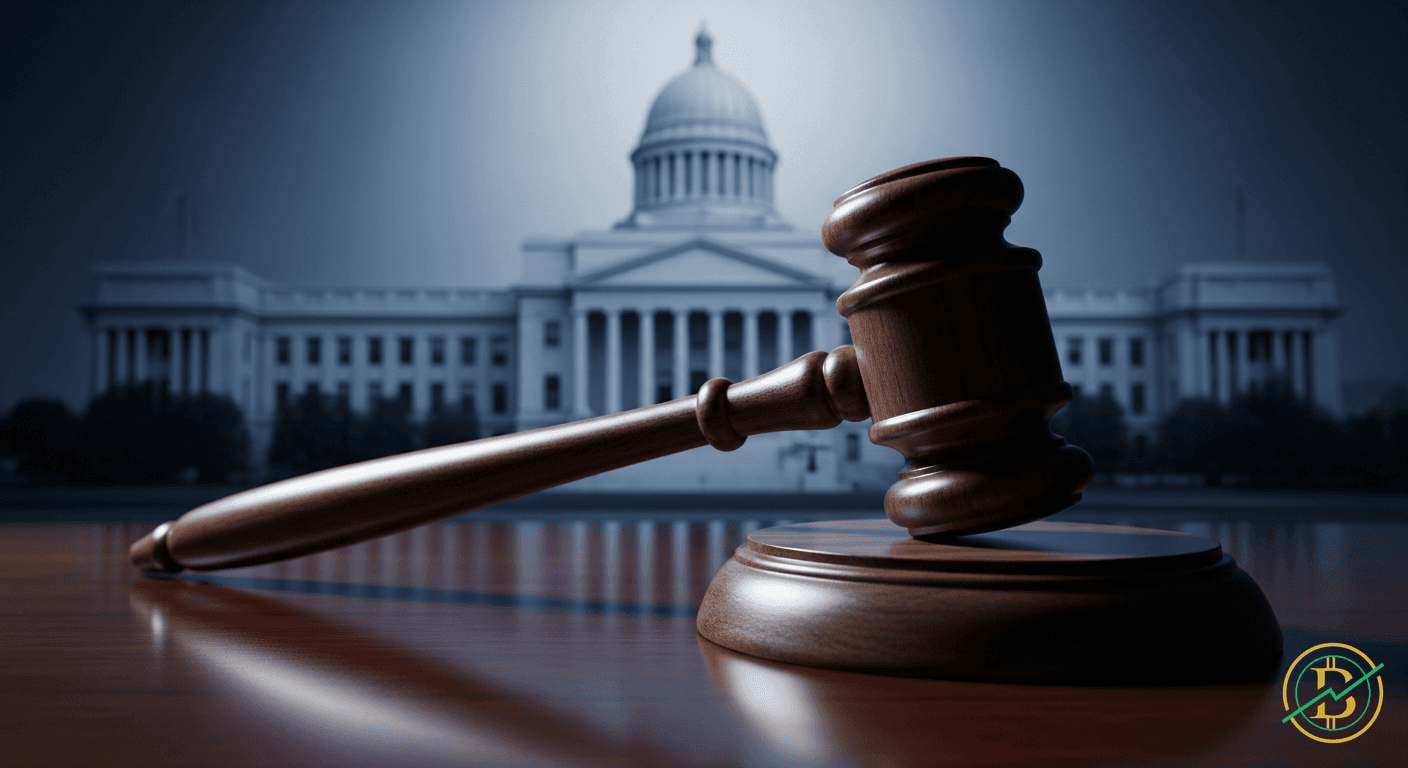
Regulatory Clarity Dawns on Stablecoins as Agencies Formalize Oversight
Key Insights
- →CFTC and SEC establish jurisdictional boundaries for digital assets.
- →Stablecoin oversight and reporting requirements are being clarified.
- →Compliance and liquidity standards are expected to evolve.
What Happened?
A Memorandum of Understanding (MOU) has been formalized between the Commodity Futures Trading Commission (CFTC) and the Securities and Exchange Commission (SEC), clarifying the division of regulatory responsibilities over digital assets. This collaborative effort aims to define the roles each agency will play in overseeing the burgeoning crypto market, particularly regarding stablecoins. The agreement provides a framework for how these agencies will approach the classification of digital assets, distinguishing between those deemed securities and those categorized as commodities. This delineation is critical for establishing which agency will take the lead in various regulatory actions, including enforcement, compliance monitoring, and the development of new rules. The MOU signals a more structured approach to crypto regulation.
The agreement's impact is most pronounced for stablecoins, which have become integral to the crypto ecosystem. The MOU addresses the oversight and reporting requirements for these assets, providing much needed clarity for issuers and market participants. This includes defining which stablecoins will fall under the purview of each agency, based on the underlying assets backing them and how they are structured. The MOU is expected to influence compliance procedures, necessitating adjustments for stablecoin issuers to adhere to the specified regulatory standards. The formalization of this agreement suggests that the regulatory landscape for digital assets is beginning to mature, moving away from uncertainty towards a more defined structure.
Background
The CFTC and SEC have long grappled with the complex legal issues presented by digital assets. The decentralized and often borderless nature of cryptocurrencies has created challenges for regulators accustomed to more traditional financial instruments. The lack of clear jurisdictional boundaries has previously led to confusion and uncertainty for market participants. The agencies have often taken a case by case approach, leading to inconsistencies and a lack of clear guidance. The MOU represents a significant step towards resolving these issues, offering a unified framework for oversight.
The SEC's primary focus has historically been on securities regulation, while the CFTC has jurisdiction over commodities and derivatives. This distinction is crucial as it determines which regulatory framework applies to different digital assets. For instance, the SEC is likely to consider tokens that function like securities, such as those that represent ownership or investment contracts, as within its domain. The CFTC, on the other hand, will probably oversee digital assets deemed commodities, such as Bitcoin and Ether, as well as related derivatives products. The formalized MOU allows for a more efficient and coordinated approach to investigations, enforcement actions, and the development of new regulations.
Market Impact
The MOU is expected to have significant effects on the crypto market, particularly for stablecoins. Compliance costs for stablecoin issuers are likely to increase as they adapt to the regulatory requirements defined by the CFTC and SEC. This may lead to consolidation within the stablecoin market, as smaller issuers may find it challenging to meet the new standards. The MOU's emphasis on transparency and reporting is also expected to enhance investor confidence, potentially attracting more institutional capital.
The improved regulatory clarity should also help address liquidity concerns. By providing a more stable and predictable environment, the MOU may encourage greater participation from traditional financial institutions. This increased participation could result in higher trading volumes, reduced volatility, and wider adoption of stablecoins across various financial applications. The current regulatory actions are aimed at creating a more robust and secure ecosystem for digital assets, which should benefit both investors and the industry as a whole.
⚡Trading Benefits
20% CashbackLifetime cashback on all your trades.
- 20% fees back — on every trade
- Paid out directly by the exchange
- Set up in 2 minutes
Affiliate links · No extra cost to you
20%
Cashback
Example savings
$1,000 in fees
→ $200 back
Related Articles




Disclaimer
This article is for informational purposes only. The content does not constitute financial advice, investment recommendation, or solicitation to buy or sell securities or cryptocurrencies. Biturai assumes no liability for the accuracy, completeness, or timeliness of the information. Investment decisions should always be made based on your own research and considering your personal financial situation.