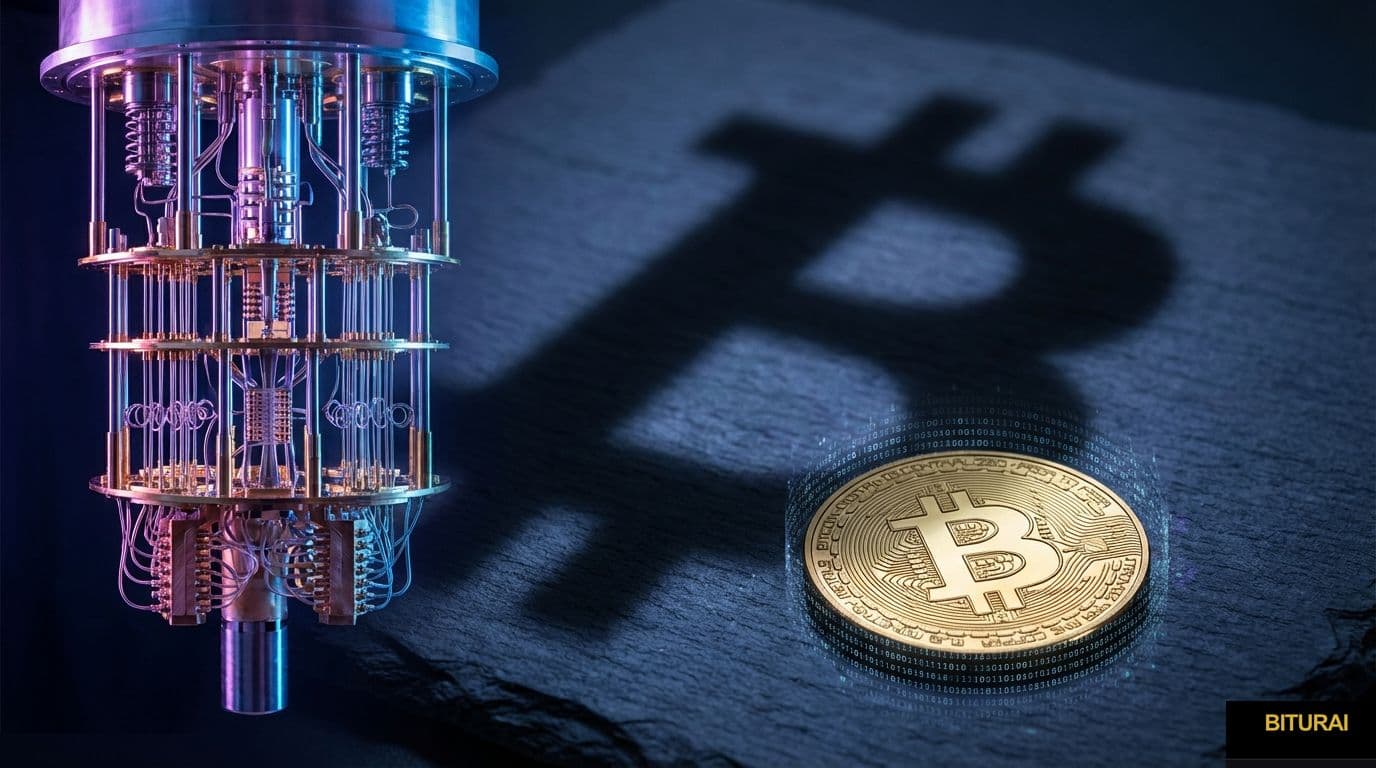
Quantum Computing's Shadow Looms Over Bitcoin: Assessing the Encryption Risk
The potential impact of quantum computing on the cryptocurrency landscape, particularly Bitcoin, has become a significant area of concern for seasoned traders and institutional investors alike. While the technology remains in its nascent stages, the theoretical threat it poses to Bitcoin’s underlying cryptographic security has spurred considerable debate and analysis within the financial and technological communities. The crux of the worry centers on the potential for quantum computers to break the cryptographic algorithms that secure Bitcoin transactions, effectively rendering private keys vulnerable and potentially allowing for unauthorized access to Bitcoin holdings.
Specifically, the Elliptic Curve Digital Signature Algorithm (ECDSA), which underpins Bitcoin's signature verification process, is the primary target of this concern. Quantum computers, if sufficiently powerful, could leverage algorithms like Shor's algorithm to efficiently factorize the large prime numbers crucial to ECDSA's security. This could allow a malicious actor to derive the private keys associated with Bitcoin addresses, granting them control over the corresponding BTC holdings. The scale of this potential threat is substantial, encompassing the possibility of compromising a significant portion of the circulating supply.
Currently, estimates suggest that the private keys for approximately 7 million BTC are at risk, which has led to speculation about the potential impact on the Bitcoin price and market stability. This figure underscores the gravity of the situation, especially considering the concentration of Bitcoin holdings across various wallets and exchanges. The threat, however, is not immediate. The development of a quantum computer capable of breaking Bitcoin's encryption is still years away, and the precise timeline remains uncertain. However, the potential for such a breakthrough necessitates proactive measures to mitigate the risks.
The cryptocurrency industry is actively exploring several avenues to address the quantum threat. These include the development and implementation of quantum-resistant cryptographic algorithms, known as post quantum cryptography (PQC). PQC algorithms are specifically designed to withstand attacks from quantum computers. The integration of these algorithms into the Bitcoin protocol, however, presents a complex undertaking, requiring significant development effort and consensus among the Bitcoin community. This process involves careful consideration of factors like backward compatibility, transaction throughput, and the overall security implications of any protocol changes.
Furthermore, ongoing research focuses on improving the security of existing Bitcoin infrastructure and wallet technology. This includes enhancing key management practices, promoting the use of multi signature wallets, and developing hardware security modules (HSMs) that can better protect private keys from potential attacks. Some exchanges and custodians are already implementing or planning to implement these measures to safeguard their clients' assets.
The quantum threat, while significant, is not the only factor influencing the evolution of the cryptocurrency market. Other factors such as the rise of QUSDT, and the broader macro economic conditions, are also important. The potential impact of quantum computing should be viewed as part of a larger conversation about the long term security and viability of Bitcoin and the cryptocurrency ecosystem. The collective efforts of developers, researchers, and the wider cryptocurrency community will be crucial in adapting to this evolving technological landscape and ensuring the continued security of Bitcoin holdings.
⚡Trading Benefits
20% CashbackLifetime cashback on all your trades.
- 20% fees back — on every trade
- Paid out directly by the exchange
- Set up in 2 minutes
Affiliate links · No extra cost to you
20%
Cashback
Example savings
$1,000 in fees
→ $200 back
Related Articles

Disclaimer
This article is for informational purposes only. The content does not constitute financial advice, investment recommendation, or solicitation to buy or sell securities or cryptocurrencies. Biturai assumes no liability for the accuracy, completeness, or timeliness of the information. Investment decisions should always be made based on your own research and considering your personal financial situation.