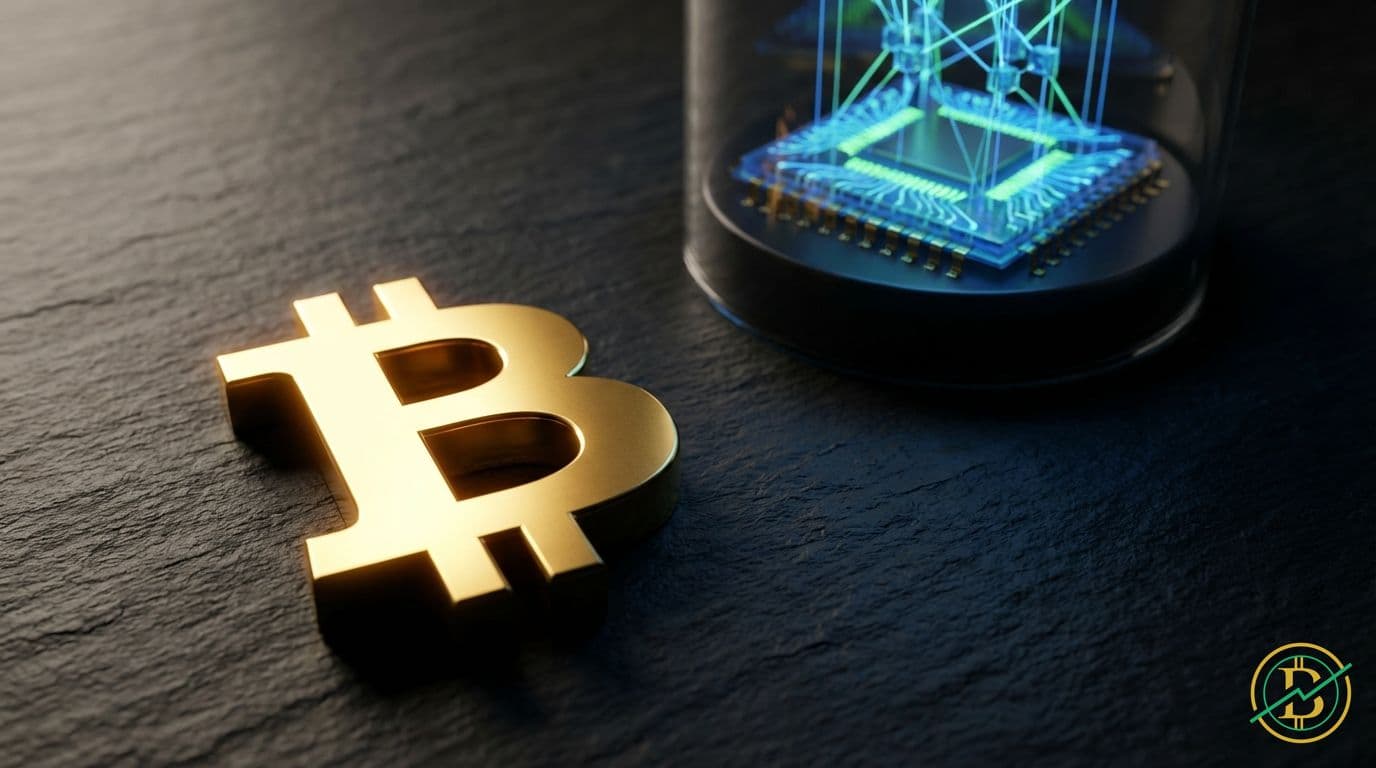
Quantum Computing Concerns for Bitcoin Remain Distant but Present
Key Insights
- →Quantum computing's potential impact on Bitcoin security is a growing concern.
- →The threat is considered long term, with current defenses deemed sufficient.
- →Advanced cryptographic solutions are being explored to mitigate future risks.
What Happened?
Digital asset manager CoinShares has released an analysis addressing the emerging threat of quantum computing to the Bitcoin network. The report acknowledges that the advancements in quantum computing pose a potential future risk to the cryptographic underpinnings of Bitcoin, specifically the algorithms used to secure transactions and wallet addresses. However, CoinShares asserts that the threat is not immediate and is currently manageable, emphasizing that the technology is still in its nascent stages. The report highlights that while the theoretical capability of quantum computers to break existing cryptographic systems is concerning, practical implementations capable of doing so at scale remain a considerable distance away.
The core of the issue lies in the potential for powerful quantum computers to undermine the cryptographic algorithms that Bitcoin relies upon, particularly the Elliptic Curve Digital Signature Algorithm (ECDSA) used for transaction verification. A sufficiently advanced quantum computer could theoretically solve the complex mathematical problems that secure these transactions much faster than classical computers, potentially allowing for the creation of fraudulent transactions or the theft of Bitcoin. CoinShares’ analysis emphasizes the need for proactive measures and ongoing research to prepare for this future possibility.
Background
The evolution of quantum computing has been marked by rapid progress in recent years. While still in its early phases, the field continues to advance, fueled by significant investments from both public and private sectors. Quantum computers utilize principles of quantum mechanics to perform computations far exceeding the capabilities of classical computers. This advantage stems from their ability to process vast amounts of data simultaneously, potentially cracking encryption methods currently deemed secure. The threat to Bitcoin arises because of its reliance on cryptographic protocols that could be vulnerable to attacks from these advanced computing systems.
The development of quantum resistant cryptography is a key area of focus for many researchers and developers within the crypto space. This involves exploring and implementing new cryptographic algorithms that are believed to be resistant to attacks from quantum computers. Several potential solutions are being explored, including lattice based cryptography and multivariate cryptography, which offer theoretical resistance to quantum attacks. The transition to these new cryptographic standards would require significant changes within the Bitcoin network, necessitating consensus among the network participants and careful planning to avoid disruptions or security vulnerabilities.
Market Impact
The news from CoinShares provides a measured perspective on a topic of increasing importance to experienced crypto traders. The acknowledgment of a potential long term risk, while simultaneously downplaying the immediacy of the threat, offers a balanced viewpoint. The market may react with a degree of cautiousness, understanding that while Bitcoin is not immediately threatened, the need for continued development and adaptation is paramount. This can be reflected in trading strategies, with traders likely to follow the progress of quantum computing related developments, and related projects, such as QUSDT and Q, potentially seeing increased investor interest as the market seeks innovative solutions.
The overall impact on Bitcoin's price is unlikely to be substantial in the short term, given the report's assessment. However, the ongoing discussion about quantum threats underscores the importance of technological innovation and proactive security measures within the cryptocurrency ecosystem. The emphasis on quantum resistant cryptography suggests that the industry is actively working to mitigate the risks. Market participants will likely watch the progress of this research closely, with the transition to more secure cryptographic solutions being a key factor to monitor for the long term health of the Bitcoin network. The development of IMX, is another area of interest.
⚡Trading Benefits
20% CashbackLifetime cashback on all your trades.
- 20% fees back — on every trade
- Paid out directly by the exchange
- Set up in 2 minutes
Affiliate links · No extra cost to you
20%
Cashback
Example savings
$1,000 in fees
→ $200 back
Related Articles




Disclaimer
This article is for informational purposes only. The content does not constitute financial advice, investment recommendation, or solicitation to buy or sell securities or cryptocurrencies. Biturai assumes no liability for the accuracy, completeness, or timeliness of the information. Investment decisions should always be made based on your own research and considering your personal financial situation.