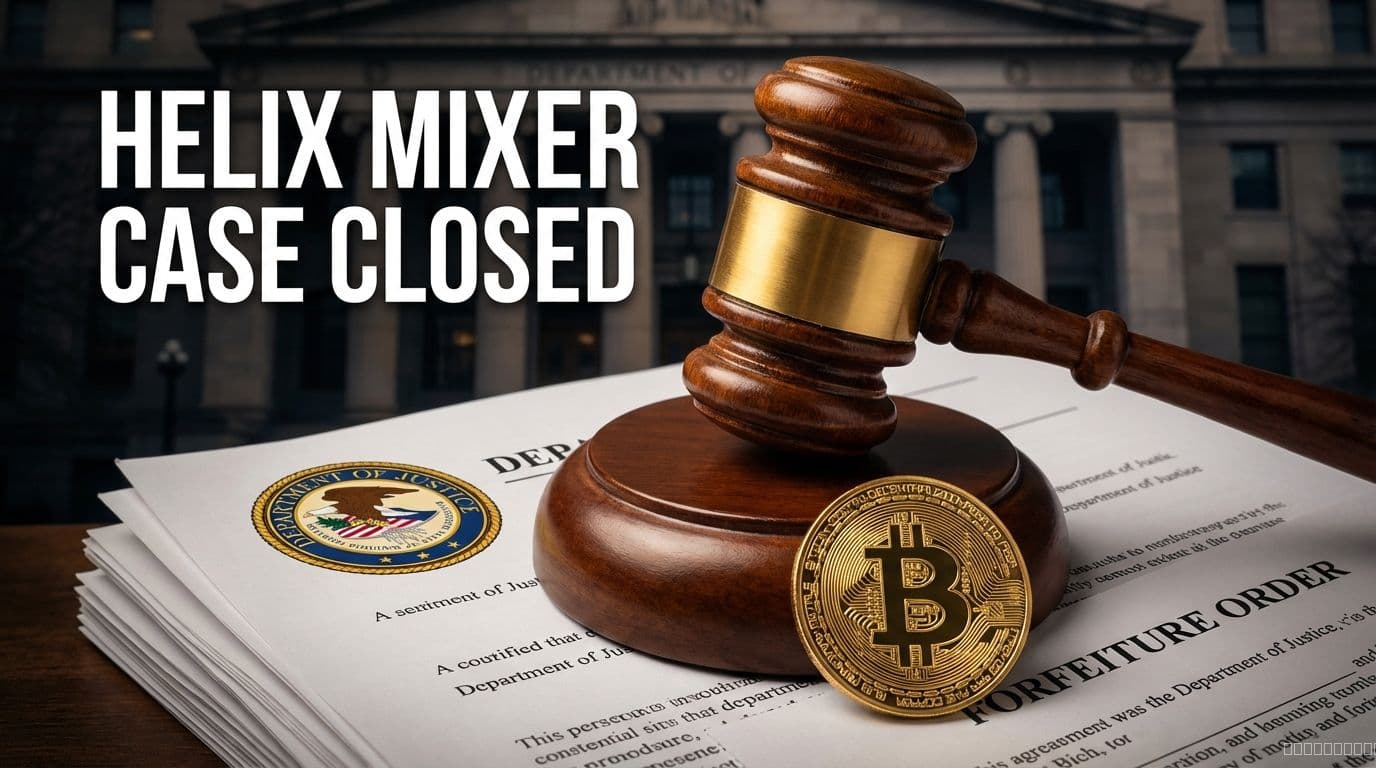
Helix Mixer Case Closure Signals Maturation of Darknet Bitcoin Investigations
The Department of Justice recently finalized a $400 million forfeiture related to the Helix Bitcoin mixer, bringing to a close a lengthy legal battle. This resolution highlights the evolving landscape of cryptocurrency regulation and the extended timelines often associated with complex darknet investigations. The case, which centered on the operation of the Helix service, serves as a significant marker in the ongoing efforts to combat illicit activities within the cryptocurrency ecosystem.
The Helix mixer, associated with the darknet marketplace transactions, provided a service designed to obscure the origins of Bitcoin (BTC) by mixing funds from various sources. This process, while offering a degree of privacy, also facilitated transactions linked to illegal activities, including drug sales, weapons trafficking, and other criminal enterprises. The DOJ’s successful forfeiture demonstrates the government’s increasing ability to trace and seize funds even when sophisticated privacy tools like mixers are employed.
The protracted nature of the Helix case, spanning several years, is not unusual in cryptocurrency investigations. The inherent complexities of tracking transactions across the blockchain, gathering evidence from various jurisdictions, and navigating the evolving legal framework contribute to these extended timelines. The use of advanced forensic techniques, coupled with international cooperation, has been crucial in unraveling the intricate web of transactions and identifying the individuals involved.
The impact of this forfeiture extends beyond the immediate financial implications. It signals a strong deterrent to those considering using mixers and other privacy enhancing technologies for illicit purposes. Cryptocurrency traders, particularly those involved in high volume transactions, should take note of the evolving regulatory landscape and the increased scrutiny of services that obfuscate the flow of funds. Law enforcement agencies are clearly becoming more proficient in tracing Bitcoin and other cryptocurrency assets.
Furthermore, this case underscores the importance of Know Your Customer (KYC) and Anti Money Laundering (AML) compliance within the cryptocurrency sector. Exchanges and other financial institutions are under increasing pressure to implement robust measures to prevent their platforms from being used for illegal activities. The DOJ's success in the Helix case reinforces this trend, highlighting the consequences of non compliance.
The outcome also provides insights into the types of transactions that regulators are most concerned with. Cryptocurrency users should be aware that any dealings with darknet marketplaces or other known illicit services increase the likelihood of attracting regulatory attention. Staying informed about best practices in transaction security and privacy, while remaining compliant with all applicable laws, is critical for all cryptocurrency participants. The Helix case serves as a valuable case study in the continuing evolution of cryptocurrency regulation and enforcement. The ability of authorities to successfully pursue and seize assets involved in darknet related cryptocurrency activity shows the maturation of the regulatory environment.
⚡Trading Benefits
20% CashbackLifetime cashback on all your trades.
- 20% fees back — on every trade
- Paid out directly by the exchange
- Set up in 2 minutes
Affiliate links · No extra cost to you
20%
Cashback
Example savings
$1,000 in fees
→ $200 back
Related Articles
Significant Bitcoin Accumulation Signals Potential Price Stability
Bitcoin's Role in the Emerging Artificial Intelligence Landscape: A Strategic Assessment

Bitcoin Fortune Battle: UK Man Accuses Wife of Crypto Heist
Bitcoin's Consolidation Phase: Wintermute's Insights on Key Indicators
Disclaimer
This article is for informational purposes only. The content does not constitute financial advice, investment recommendation, or solicitation to buy or sell securities or cryptocurrencies. Biturai assumes no liability for the accuracy, completeness, or timeliness of the information. Investment decisions should always be made based on your own research and considering your personal financial situation.