
Gold's Dominance Challenged: Bitcoin's Ascent in Global Reserve Strategies
The landscape of global reserve assets is undergoing a subtle yet significant transformation. Traditionally, gold has held the preeminent position, acting as a cornerstone of financial stability for nations worldwide. However, the emergence and increasing adoption of Bitcoin, the leading cryptocurrency, are introducing a novel dynamic to this established order. This shift demands careful consideration from experienced crypto traders and institutional investors alike, as it impacts portfolio diversification and risk management strategies.
Currently, central banks and sovereign wealth funds primarily rely on gold, US dollars, and other fiat currencies to safeguard their financial stability and facilitate international trade. Gold's inherent scarcity, historical performance as a store of value, and relative independence from geopolitical influence have cemented its role. The precious metal provides a hedge against inflation and economic uncertainty, making it a reliable asset during times of market volatility. Its physical nature also contributes to its perceived security, offering a tangible alternative to digital assets.
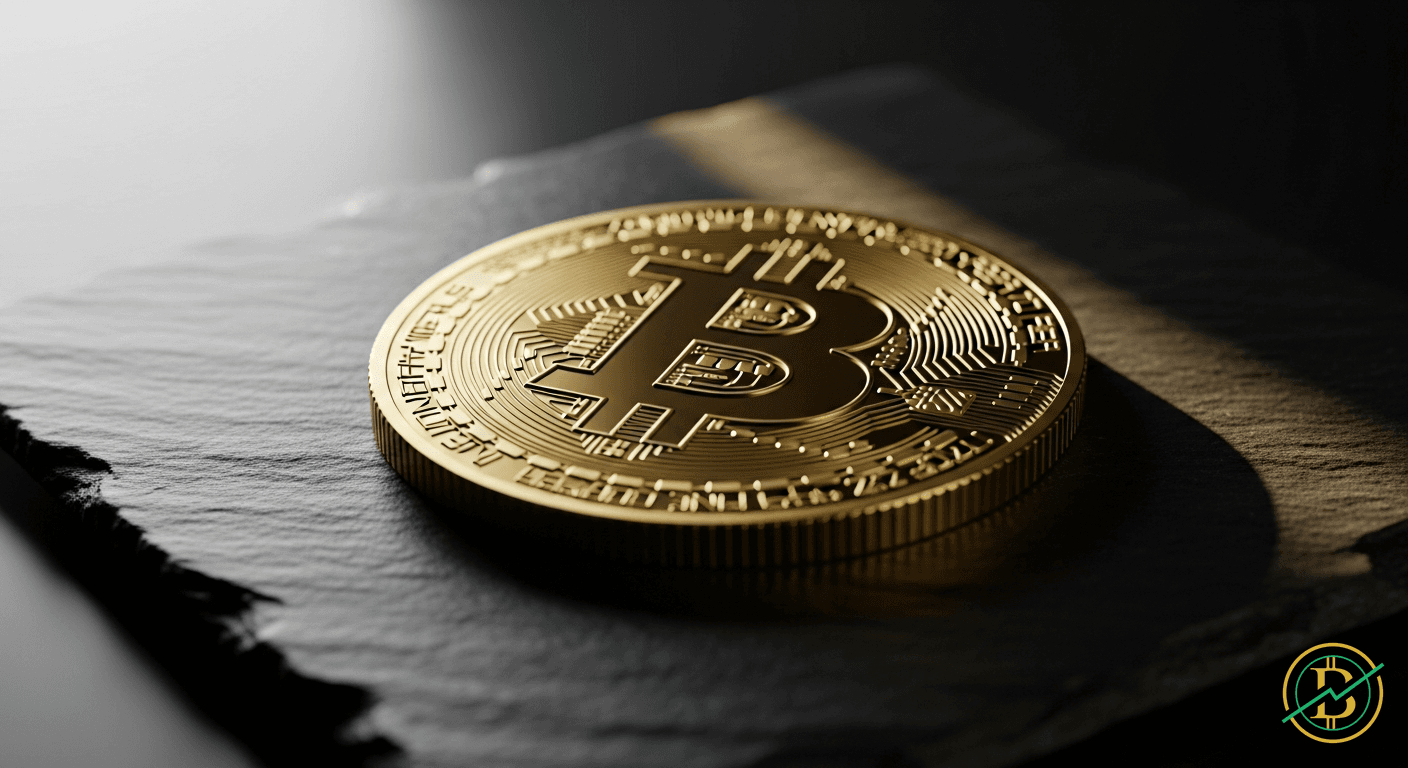
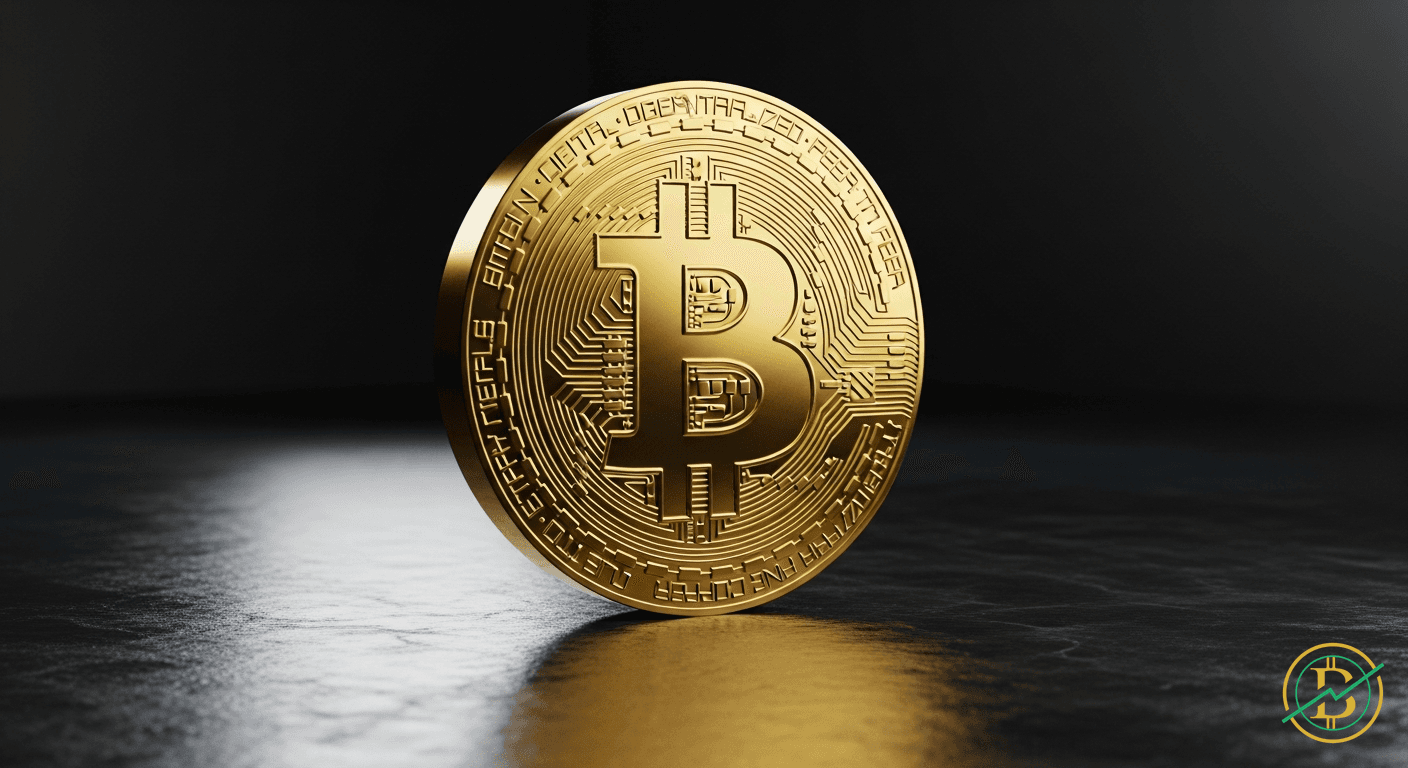
Bitcoin, however, presents a distinct alternative. Its decentralized nature, cryptographic security, and fixed supply of 21 million coins offer a unique value proposition. Proponents argue that Bitcoin’s inherent properties, including its resistance to censorship and potential for global accessibility, make it an attractive option for diversifying reserves and mitigating risks associated with traditional financial systems. The cryptocurrency's volatility is a key consideration, but experienced traders understand the potential for significant returns and the ability to hedge against potential fiat currency devaluation.
The integration of Bitcoin into global reserve strategies is still in its nascent stages. While no major central bank has yet adopted Bitcoin as a primary reserve asset, there are indications of growing interest and cautious experimentation. Some smaller nations and institutional investors are exploring Bitcoin as a means of diversifying their portfolios and protecting against inflation. This trend is fueled by the growing acceptance of Bitcoin as a legitimate asset class, alongside the increasing sophistication of the cryptocurrency market.
The implications for experienced crypto traders are multifaceted. First, the growing institutional interest in Bitcoin could potentially drive up Bitcoin price and enhance market liquidity. Secondly, it could contribute to increased regulatory scrutiny and potentially impact the structure of cryptocurrency markets. Traders must stay informed about evolving regulations and the strategies of institutional players to effectively navigate the changing landscape. Finally, the interplay between gold and Bitcoin as reserve assets warrants careful monitoring. The correlation, or lack thereof, between the two assets could offer opportunities for sophisticated trading strategies and portfolio optimization. As Bitcoin gains further traction, the dynamic between these two assets is something all seasoned traders will be keeping an eye on.
⚡Trading Benefits
20% CashbackLifetime cashback on all your trades.
- 20% fees back — on every trade
- Paid out directly by the exchange
- Set up in 2 minutes
Affiliate links · No extra cost to you
20%
Cashback
Example savings
$1,000 in fees
→ $200 back
Related Articles
Significant Bitcoin Accumulation Signals Potential Price Stability

Bitcoin's Role in the Emerging Artificial Intelligence Landscape: A Strategic Assessment

Bitcoin Fortune Battle: UK Man Accuses Wife of Crypto Heist
Bitcoin's Consolidation Phase: Wintermute's Insights on Key Indicators
Disclaimer
This article is for informational purposes only. The content does not constitute financial advice, investment recommendation, or solicitation to buy or sell securities or cryptocurrencies. Biturai assumes no liability for the accuracy, completeness, or timeliness of the information. Investment decisions should always be made based on your own research and considering your personal financial situation.