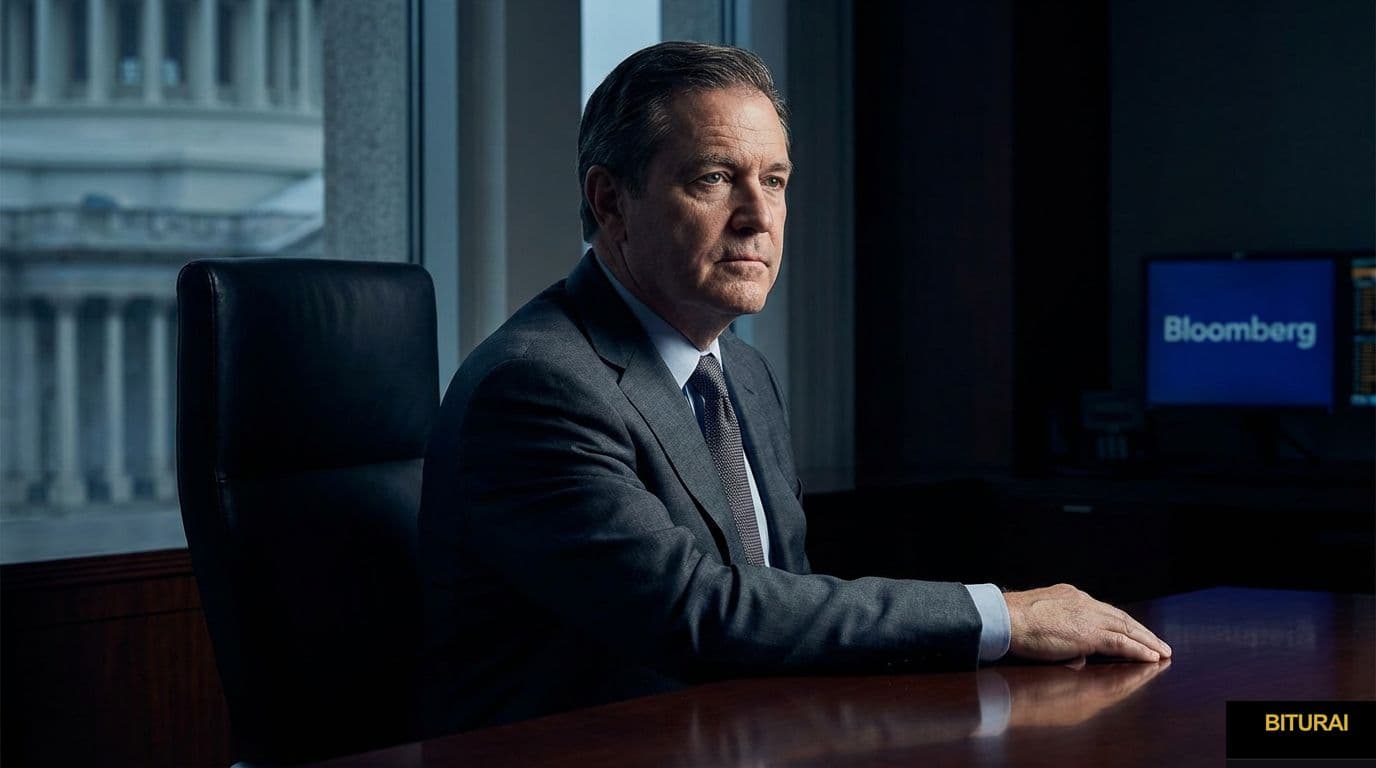
Former SEC Commissioner Advocates for Cryptocurrency Inclusion in Retirement Accounts
Paul Atkins, a former commissioner of the Securities and Exchange Commission, has voiced his support for the integration of cryptocurrency options within 401(k) retirement plans. This stance, which is gaining traction within financial circles, could significantly alter the landscape of retirement investing, potentially opening up access to the cryptocurrency market for millions of Americans.
Atkins' advocacy comes at a time of increasing interest in digital assets among both retail and institutional investors. The cryptocurrency market, currently valued in the trillions of dollars, presents a potentially lucrative investment avenue for those seeking diversification and exposure to emerging technologies. The existing 401(k) market, a massive pool of investment capital, is valued at approximately $12.5 trillion, representing a significant portion of the nation's retirement savings. Bringing cryptocurrency into this space could inject substantial new capital into the digital asset market, impacting liquidity and price discovery.
The core argument in favor of cryptocurrency inclusion in 401(k) plans centers on the idea of investor choice and diversification. Proponents argue that individuals should have the autonomy to allocate their retirement funds as they see fit, including investments in assets like Bitcoin and other cryptocurrencies. They maintain that a diversified portfolio, including digital assets, could potentially offer higher returns and better risk management strategies compared to traditional investment vehicles alone.
However, the introduction of cryptocurrency into retirement accounts also presents several challenges and regulatory hurdles. Concerns around market volatility, the nascent nature of the industry, and the potential for fraud and manipulation have led to cautious approaches from regulators and financial institutions. The SEC, along with other regulatory bodies, is actively working to establish clear guidelines and frameworks for cryptocurrency investments, especially within regulated financial products.
The current regulatory landscape for cryptocurrency investments in retirement plans is still evolving. The Department of Labor, the primary regulator overseeing 401(k) plans, has expressed concerns about the fiduciary responsibilities of plan sponsors when including volatile assets like cryptocurrency. Plan sponsors have a duty to act in the best interest of plan participants, requiring them to carefully assess the risks and rewards associated with cryptocurrency investments. This includes conducting thorough due diligence, selecting qualified investment providers, and providing participants with comprehensive educational materials.
The debate surrounding cryptocurrency in 401(k) plans is ongoing and complex. While the prospect of increased investment opportunities is appealing, the associated risks require careful consideration. The involvement of figures like Paul Atkins, who possess deep knowledge of financial regulation, suggests that the integration of digital assets into retirement plans is not merely a theoretical possibility, but rather a developing trend with significant implications for the future of finance. Cryptocurrency traders and investors will closely monitor regulatory developments and the actions of major financial institutions as the debate continues to unfold.
⚡Trading Benefits
20% CashbackLifetime cashback on all your trades.
- 20% fees back — on every trade
- Paid out directly by the exchange
- Set up in 2 minutes
Affiliate links · No extra cost to you
20%
Cashback
Example savings
$1,000 in fees
→ $200 back
Disclaimer
This article is for informational purposes only. The content does not constitute financial advice, investment recommendation, or solicitation to buy or sell securities or cryptocurrencies. Biturai assumes no liability for the accuracy, completeness, or timeliness of the information. Investment decisions should always be made based on your own research and considering your personal financial situation.