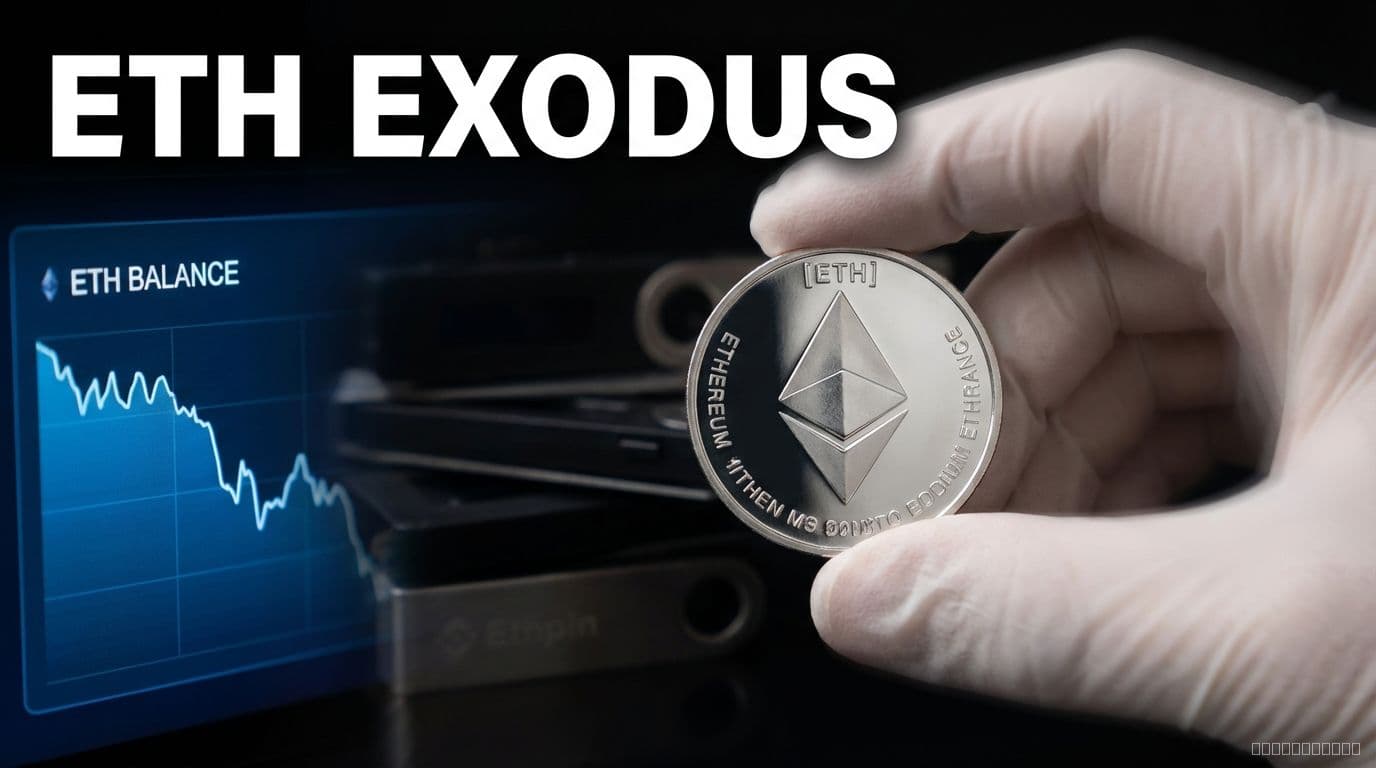
Ethereum Exchange Exodus Signals Shifting Market Dynamics
The Ethereum market is currently witnessing a significant alteration in its onchain landscape, primarily characterized by a dramatic decrease in the amount of ETH held on centralized cryptocurrency exchanges. This trend, which began several months ago, indicates a considerable shift in how market participants are managing their ETH holdings and suggests evolving strategies amongst experienced traders. The implications of this exodus are multifaceted and warrant close examination for those actively engaged in digital asset trading.
The data reveals a consistent outflow of ETH from major exchanges. Exchange balances have been steadily declining, with a substantial volume of ETH being withdrawn and moved to alternative locations. This movement contrasts sharply with periods of market stagnation or growth where exchange balances often remain relatively stable or even increase due to new deposits. This current decline highlights a fundamental change in the ecosystem, reflecting a potential repositioning by investors and traders.
One of the primary drivers behind this trend is the increasing popularity and accessibility of Ethereum staking. Staking, where holders lock up their ETH to support the network and earn rewards, has become a prominent feature in the cryptocurrency space. The attractive yields offered through staking protocols, coupled with the long term vision of ETH, incentivizes investors to move their holdings off exchanges and into staking pools or individual staking setups. This shift not only reduces the readily available supply on exchanges but also decreases the circulating supply overall, potentially impacting market liquidity and price discovery.
Beyond staking, other factors contribute to the ETH exodus. The rise of decentralized finance (DeFi) platforms has provided users with alternative avenues to utilize their ETH. DeFi applications, including lending, borrowing, and yield farming protocols, offer opportunities for users to generate returns on their ETH without the need to keep it on exchanges. This has led to a natural inclination for investors to move their assets to platforms that facilitate these activities, further depleting exchange reserves.
Furthermore, some sophisticated traders may be withdrawing ETH from exchanges as a means of improving security and reducing the risk of exchange related hacks or exploits. Keeping assets in cold storage or self custody wallets provides greater control and security, making the asset less vulnerable to centralized exchange breaches. This security driven approach is particularly appealing to larger holders and institutions that are managing significant amounts of ETH.
The implications of this ETH exchange balance decline are noteworthy for market participants. Reduced exchange supply can heighten the volatility of the Bitcoin price and other cryptocurrencies, especially during periods of high trading activity. Liquidity may be affected, potentially leading to wider bid ask spreads and increased slippage during large trades. Traders must be mindful of these dynamics when formulating their strategies. Monitoring the ongoing exchange balances and analyzing the reasons behind these shifts will be essential for making informed decisions in this evolving cryptocurrency market.
⚡Trading Benefits
20% CashbackLifetime cashback on all your trades.
- 20% fees back — on every trade
- Paid out directly by the exchange
- Set up in 2 minutes
Affiliate links · No extra cost to you
20%
Cashback
Example savings
$1,000 in fees
→ $200 back
Disclaimer
This article is for informational purposes only. The content does not constitute financial advice, investment recommendation, or solicitation to buy or sell securities or cryptocurrencies. Biturai assumes no liability for the accuracy, completeness, or timeliness of the information. Investment decisions should always be made based on your own research and considering your personal financial situation.