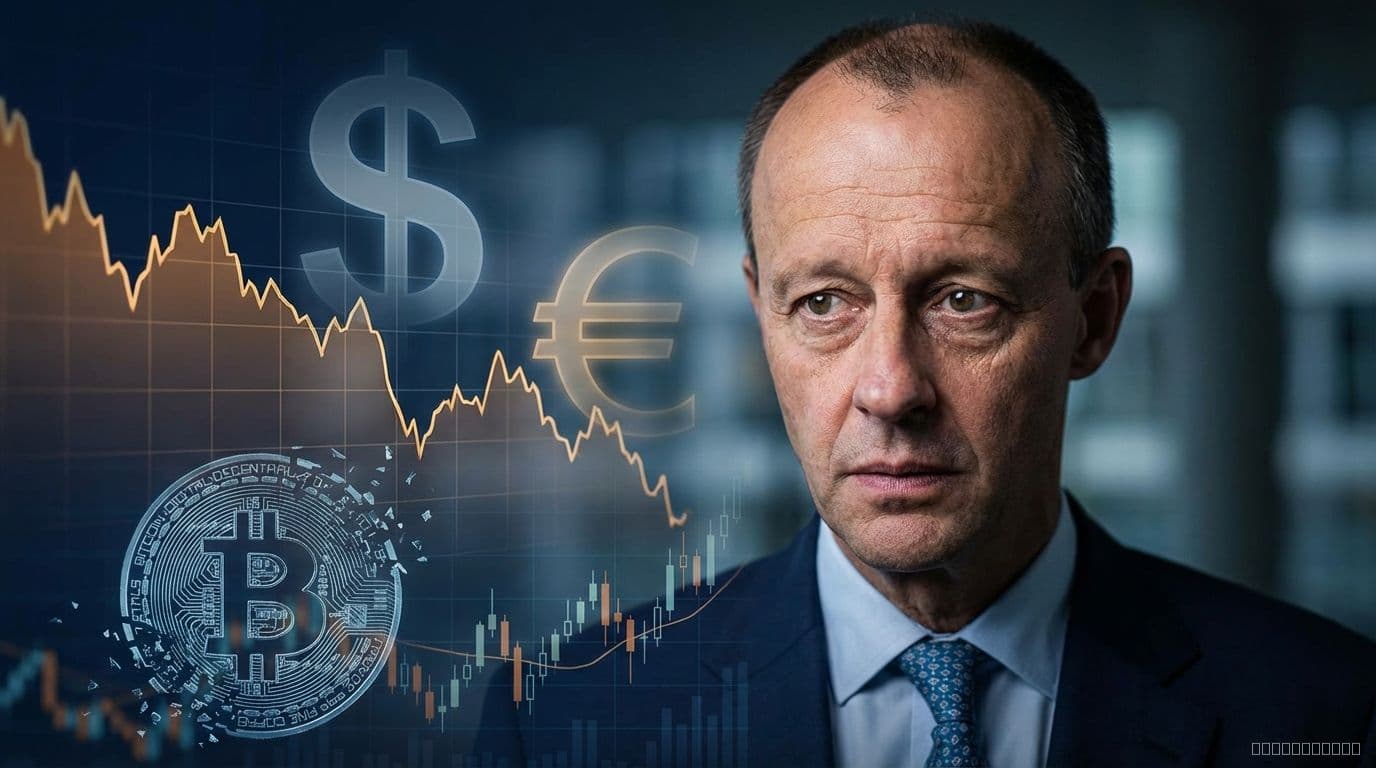
Dollar's Slide Sparks Concerns for German Economic Engine and Crypto Impact
German economic policymakers are increasingly voicing concerns regarding the performance of the US dollar and its potential ramifications for the nation's traditionally strong export sector. This unease highlights a significant factor influencing global trade dynamics and offers potential implications for the cryptocurrency market, particularly for traders monitoring fiat currency fluctuations.
The German economy, a powerhouse built upon manufacturing and exports, heavily relies on a competitive currency exchange rate. A weaker US dollar, relative to the Euro, presents a headwind for German businesses. It makes their goods and services more expensive for American consumers, potentially leading to a decrease in demand and reduced revenues for German exporters. This dynamic can have a ripple effect, impacting employment, investment, and overall economic growth within Germany.
Currently, the dollar's performance is driven by a complex interplay of macroeconomic factors. Interest rate decisions by the US Federal Reserve, inflation data, and global economic sentiment all contribute to the dollar's valuation. Simultaneously, factors within the Eurozone, such as the strength of the Euro, influence the dollar's relative position. Experienced crypto traders are accustomed to monitoring these kinds of macroeconomic factors, as they directly impact currency values, which in turn affect the price of Bitcoin and other digital assets.
This situation presents a compelling case study for those trading in digital assets. A weaker dollar, potentially fueled by decreased export competitiveness for major economies, can influence the risk appetite of investors. This can cause increased volatility across various asset classes, including cryptocurrency. Traders are therefore closely watching how the Eurozone, and Germany specifically, navigates this challenging economic environment. The decisions made by the European Central Bank and the German government in response to the weaker dollar will be of particular interest.
Furthermore, these shifts in currency valuations can also impact the relative value of Bitcoin and other cryptocurrencies. Since Bitcoin is often priced in US dollars, its value can be indirectly affected by the dollar's strength or weakness. A weaker dollar can sometimes be seen as bullish for Bitcoin, as investors may seek alternative assets to hedge against currency devaluation. However, the exact impact is complex and depends on many other factors, including overall market sentiment and the regulatory landscape for cryptocurrencies across different regions.
Experienced crypto traders will therefore likely be paying close attention to any policy responses from Germany, and the Eurozone more broadly. They will be analyzing macroeconomic data, monitoring currency fluctuations, and evaluating how these factors might influence the supply and demand dynamics of Bitcoin and other cryptocurrencies. The interplay between traditional economic forces and the burgeoning digital asset market is becoming increasingly intricate, and understanding these relationships is crucial for making informed investment decisions. This situation underscores the interconnectedness of global financial markets and highlights the importance of staying informed about developments in both traditional and digital asset spaces.
⚡Trading Benefits
20% CashbackLifetime cashback on all your trades.
- 20% fees back — on every trade
- Paid out directly by the exchange
- Set up in 2 minutes
Affiliate links · No extra cost to you
20%
Cashback
Example savings
$1,000 in fees
→ $200 back
Disclaimer
This article is for informational purposes only. The content does not constitute financial advice, investment recommendation, or solicitation to buy or sell securities or cryptocurrencies. Biturai assumes no liability for the accuracy, completeness, or timeliness of the information. Investment decisions should always be made based on your own research and considering your personal financial situation.