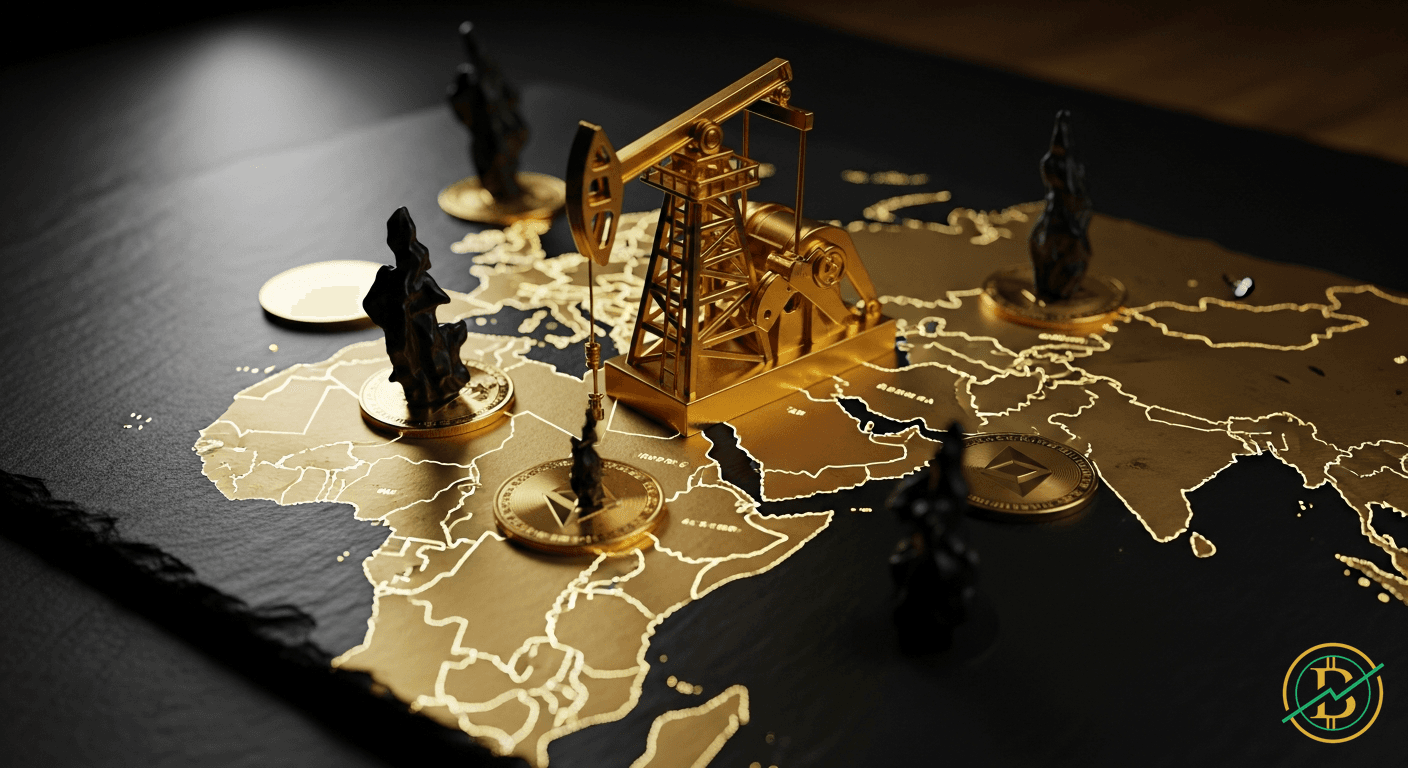
Crypto Markets React as Geopolitical Tensions Flare Oil Prices Surge
Key Insights
- →Escalating conflict in the Middle East fuels volatility impacting crypto asset prices.
- →Rising crude oil prices threaten global economic stability, influencing investor sentiment.
- →Potential for increased regulatory scrutiny on crypto in response to geopolitical instability.
What Happened?
The situation in the Middle East has intensified, with major implications for global financial markets and the burgeoning crypto sector. Recent military actions targeting key Iranian oil facilities have triggered a significant spike in crude oil prices, signaling potential long term supply disruptions. This escalation has prompted a reassessment of risk across various asset classes, including cryptocurrencies. The White House is reportedly considering strategies to de escalate the conflict, but the situation remains highly fluid. The impact of these events is being felt across the globe with US allies feeling the economic strain of the conflict.
The crypto market, known for its sensitivity to macroeconomic trends and geopolitical developments, is closely monitoring these events. Traders are adjusting their strategies in response to the increased uncertainty, with many looking to safe haven assets. The situation is further complicated by the fact that the conflict could affect the broader regulatory environment concerning digital assets. Policymakers may use the crisis as a justification to implement tighter controls on crypto, citing concerns about illicit finance and market manipulation.
Background
The Middle East has long been a region of strategic importance, particularly concerning oil production and global trade. Iran, a major player in the Organization of the Petroleum Exporting Countries (OPEC), has a substantial influence on global energy markets. Any disruption to its oil infrastructure can have ripple effects throughout the global economy. Previously, heightened tensions have led to economic sanctions and trade wars, which can destabilize markets and exacerbate inflation.
The current situation is particularly noteworthy because of the complex web of alliances and rivalries that characterize the region. The United States has historically played a significant role in the Middle East. The escalating conflict raises concerns about a wider conflagration, potentially involving multiple nations. This has prompted calls for de escalation and diplomatic solutions. The potential for prolonged conflict and further economic instability is a major concern for investors.
Market Impact
The immediate impact of the events has been on crude oil prices, which have surged in response to the supply concerns. This has, in turn, fueled inflationary pressures, leading many to predict that the Federal Reserve may adjust its monetary policy. Crypto markets, especially Bitcoin and other major crypto assets, are showing signs of volatility, with traders reacting to the uncertainty. Bitcoin’s status as a potential safe haven asset is being tested.
Looking ahead, the direction of crypto prices will likely depend on the resolution of the conflict and the broader economic consequences. If the situation escalates further, we may see increased volatility and a flight to safety assets. Alternatively, a de escalation could lead to a stabilization of markets. Traders should monitor the situation closely, paying attention to both geopolitical developments and economic indicators. Regulatory responses to the conflict could also significantly impact the crypto sector.
⚡Trading Benefits
20% CashbackLifetime cashback on all your trades.
- 20% fees back — on every trade
- Paid out directly by the exchange
- Set up in 2 minutes
Affiliate links · No extra cost to you
20%
Cashback
Example savings
$1,000 in fees
→ $200 back
Disclaimer
This article is for informational purposes only. The content does not constitute financial advice, investment recommendation, or solicitation to buy or sell securities or cryptocurrencies. Biturai assumes no liability for the accuracy, completeness, or timeliness of the information. Investment decisions should always be made based on your own research and considering your personal financial situation.