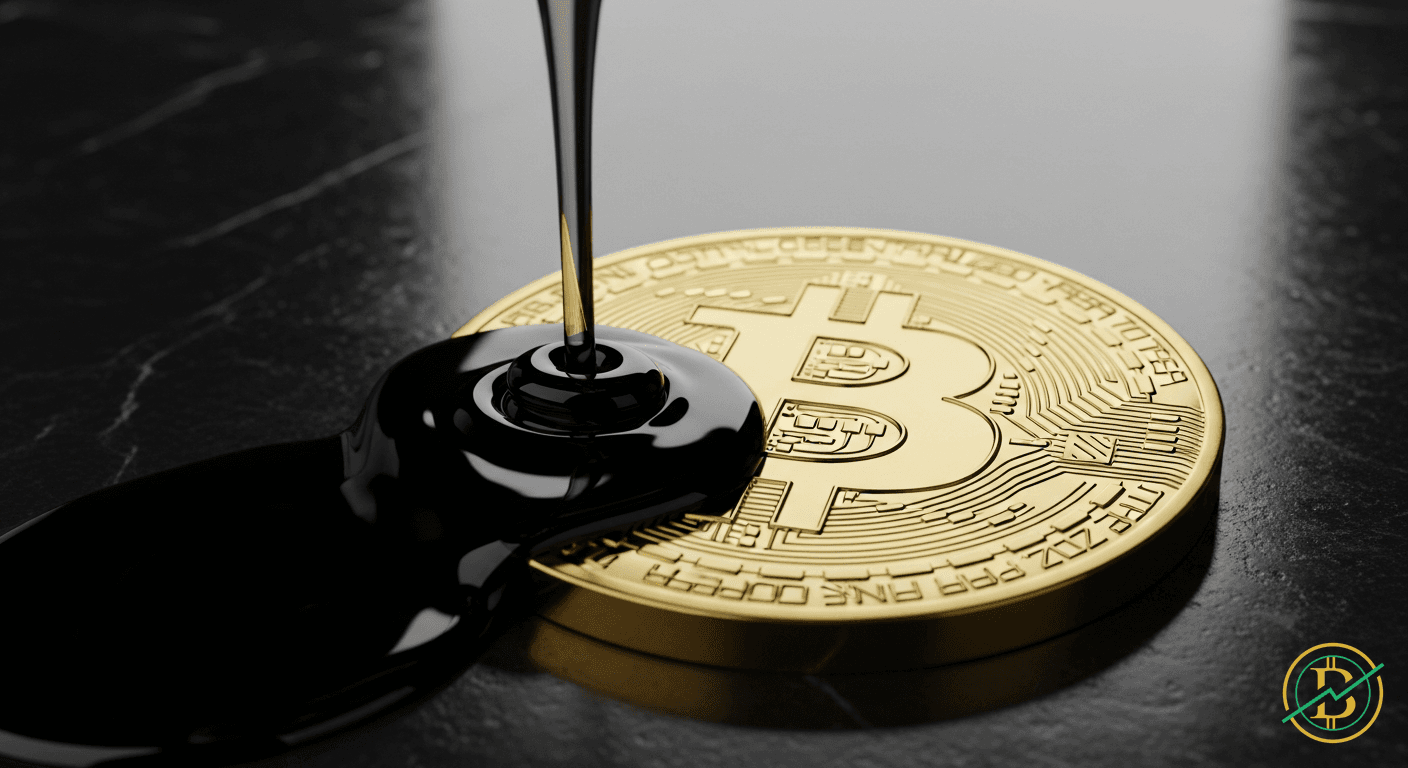
Crude Prices Surge and the Bitcoin Network's Energy Resilience
Key Insights
- →Bitcoin's hashrate dependence on oil-tied energy markets is relatively low.
- →Geopolitical instability likely influences Bitcoin prices more than mining expenses.
- →Miners have adapted their operations to various energy sources.
What Happened?
The price of crude oil has recently experienced significant volatility, driven by a complex interplay of geopolitical events, supply chain disruptions, and fluctuating global demand. This price surge has prompted renewed scrutiny of various sectors, including the Bitcoin mining industry. While the rising cost of energy is a perennial concern for miners, the impact of oil price fluctuations on the Bitcoin network is more nuanced than a simple equation of higher operating expenses. The connection between oil prices and Bitcoin's operational efficiency is not straightforward, though it does warrant a thorough examination.
A substantial portion of Bitcoin's energy consumption comes from regions where electricity generation relies heavily on oil, either directly or indirectly. As the cost of oil rises, the expense of powering those mining operations also increases. However, the geographic distribution of Bitcoin’s hashrate is a crucial factor in understanding the overall impact. Many miners are actively seeking more affordable and environmentally friendly power sources, like renewables, to secure their profit margins. This diversification shields the network to a degree.
Background
Bitcoin mining, the process of validating transactions and adding new blocks to the blockchain, is an energy intensive activity. The computational power required for mining is provided by specialized hardware, which in turn consumes significant amounts of electricity. The cost of electricity is a major operational expense for miners, making them sensitive to shifts in energy prices. The price of oil is a significant factor in the cost of electricity in many regions, especially where the electrical grid relies on oil-fired power plants.
Historically, the Bitcoin network's hashrate, which measures the total computational power devoted to mining, has been vulnerable to external shocks. For example, changes in government regulations, or unexpected surges in electricity costs, can have a noticeable effect on the hashrate. However, the Bitcoin mining landscape has evolved. Miners have become increasingly sophisticated in their operations and have broadened their geographical footprint. This increased resilience helps insulate the network from localized disruptions.
Market Impact
Recent research indicates that only a relatively small percentage of the global Bitcoin hashrate operates in markets primarily reliant on oil-sensitive energy sources. This suggests that the direct impact of rising oil prices on Bitcoin mining profitability, while present, may not be the dominant factor influencing the cryptocurrency's price. Other considerations, such as broader macroeconomic trends, investor sentiment, and geopolitical instability, likely play a more significant role in price discovery.
Experienced crypto traders should closely monitor the correlation between oil prices, geopolitical events, and Bitcoin price action. While rising oil prices can contribute to inflationary pressures and potentially affect the risk appetite of investors, their impact on Bitcoin's supply side through mining costs appears to be limited. Miners are continuously exploring opportunities to optimize their energy consumption and source power from diverse and cost effective resources.
⚡Trading Benefits
20% CashbackLifetime cashback on all your trades.
- 20% fees back — on every trade
- Paid out directly by the exchange
- Set up in 2 minutes
Affiliate links · No extra cost to you
20%
Cashback
Example savings
$1,000 in fees
→ $200 back
Disclaimer
This article is for informational purposes only. The content does not constitute financial advice, investment recommendation, or solicitation to buy or sell securities or cryptocurrencies. Biturai assumes no liability for the accuracy, completeness, or timeliness of the information. Investment decisions should always be made based on your own research and considering your personal financial situation.