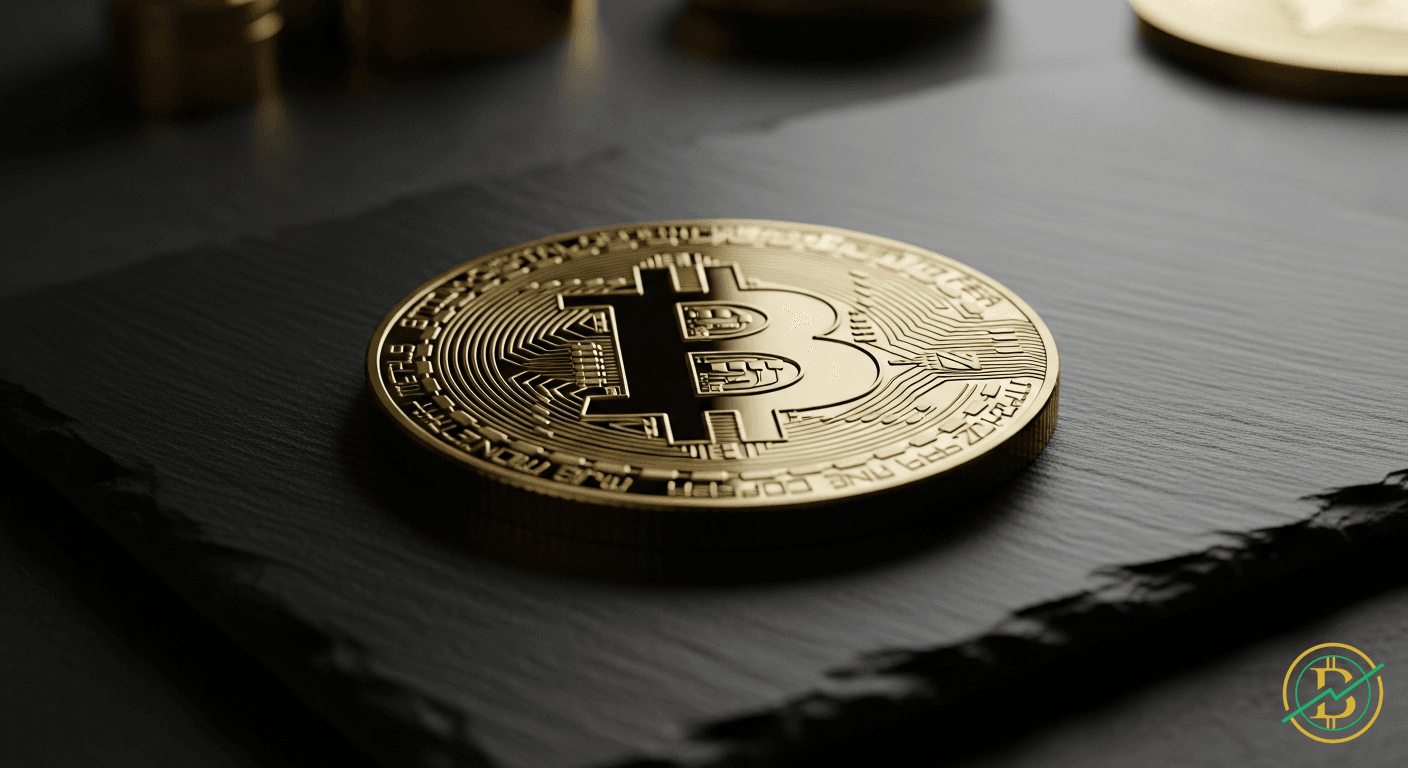
Citigroup Deepens Crypto Embrace Unveiling Bitcoin Focused Infrastructure
Key Insights
- →Citigroup is developing new infrastructure to facilitate cryptocurrency transactions.
- →The initiative signals growing institutional confidence in digital assets.
- →This could increase the accessibility of Bitcoin for institutional investors.
What Happened?
Citigroup, a prominent global financial institution, has publicly disclosed its intentions to significantly expand its involvement in the cryptocurrency space. The banking giant is currently working on the development of new infrastructure explicitly designed to support Bitcoin transactions. This strategic move aims to streamline and enhance the process of interacting with digital assets for both Citigroup and its clientele. Details about the exact functionalities are still emerging, however it is understood that the new systems are slated for launch soon. The initiative represents a substantial investment in the digital asset sector.
This infrastructure is expected to integrate seamlessly with Citigroup’s existing financial services. The aim is to provide a more efficient and secure environment for Bitcoin related activities. The project includes systems that will cater to the specific needs of institutional clients. Citigroup's commitment to building this specialized infrastructure underscores the growing acceptance of Bitcoin within traditional finance. This demonstrates a willingness to adapt and evolve to accommodate the evolving demands of the financial landscape.
Background
Citigroup’s recent foray into Bitcoin is not entirely unexpected. The firm has been observing, and quietly preparing, for the increasing integration of cryptocurrencies within the global financial system. The financial institution's interest in the digital asset landscape has steadily grown. The development of this new infrastructure aligns with a broader trend of institutional adoption of cryptocurrencies. This is evidenced by the increasing number of major financial players exploring and implementing crypto based solutions.
The move follows other large financial institutions that have begun exploring Bitcoin and other digital assets. This includes providing custody services and enabling clients to trade digital assets. Citigroup's latest undertaking is a clear indication that it views cryptocurrency as a viable asset class. This signals a strategic shift towards embracing digital currencies and integrating them into their core business operations. This also reflects a recognition of the significant market potential and the need to provide services related to this emerging asset class.
Market Impact
The introduction of Citigroup’s Bitcoin focused infrastructure is poised to have a notable impact on the crypto market. The initiative could lead to greater liquidity and trading volume for Bitcoin. The move will also likely make it easier for institutional investors to access and manage their Bitcoin holdings. This increased accessibility may attract a broader range of institutional clients who were previously hesitant.
Furthermore, Citigroup’s actions could encourage other financial institutions to follow suit. The new infrastructure could set a precedent. This development could further legitimize cryptocurrency and accelerate its integration into the mainstream financial ecosystem. Ultimately, this move by Citigroup could contribute to increased market stability and wider acceptance of Bitcoin.
⚡Trading Benefits
20% CashbackLifetime cashback on all your trades.
- 20% fees back — on every trade
- Paid out directly by the exchange
- Set up in 2 minutes
Affiliate links · No extra cost to you
20%
Cashback
Example savings
$1,000 in fees
→ $200 back
Related Articles
Significant Bitcoin Accumulation Signals Potential Price Stability

Bitcoin's Role in the Emerging Artificial Intelligence Landscape: A Strategic Assessment

Bitcoin Fortune Battle: UK Man Accuses Wife of Crypto Heist

XRP Ledger Demonstrates Cost Efficiency Surpassing Competitors in the Crypto Arena
Disclaimer
This article is for informational purposes only. The content does not constitute financial advice, investment recommendation, or solicitation to buy or sell securities or cryptocurrencies. Biturai assumes no liability for the accuracy, completeness, or timeliness of the information. Investment decisions should always be made based on your own research and considering your personal financial situation.