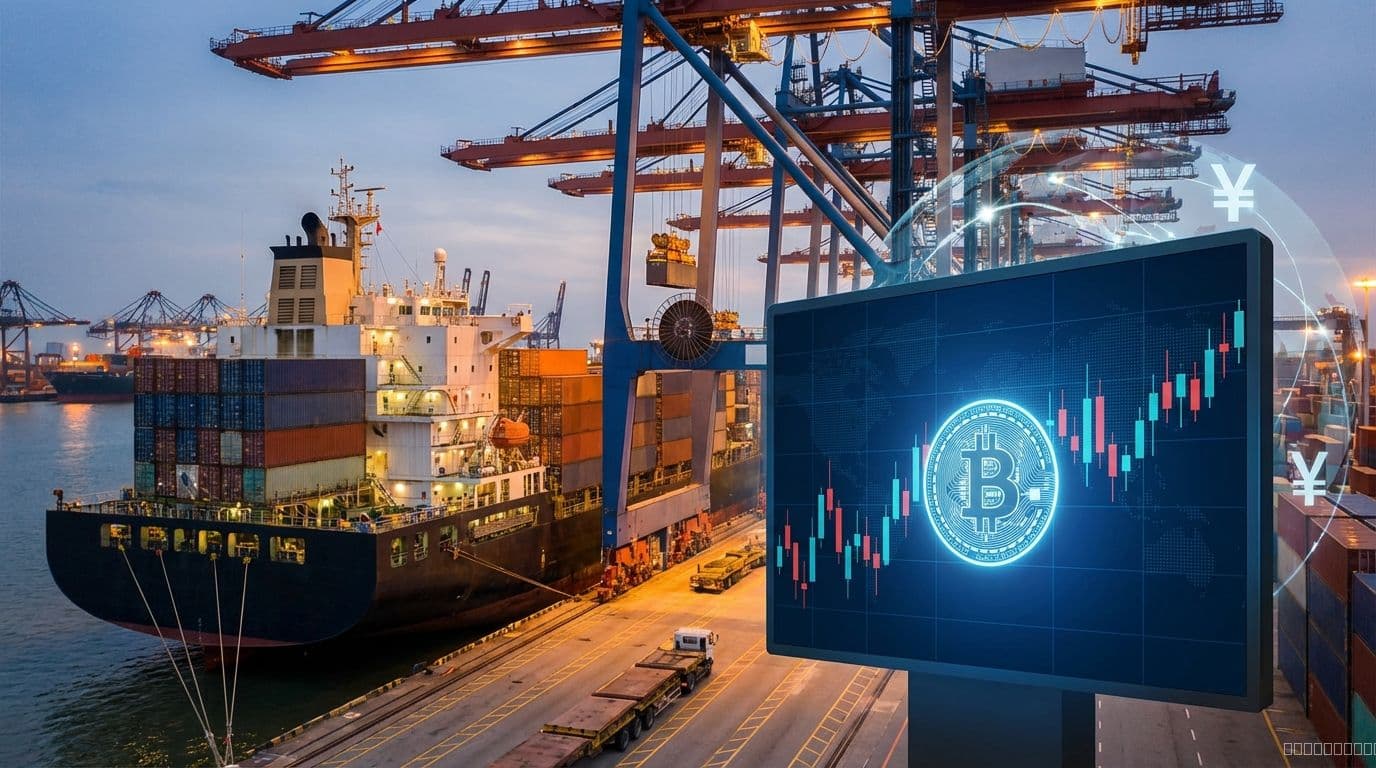
China’s Export Prowess and the Bitcoin Bitcoin Price Nexus
China's robust export performance continues to reshape global economic currents, creating ripple effects that savvy cryptocurrency traders must carefully consider. While the focus often remains on geopolitical tensions and trade wars, the underlying financial mechanisms are equally significant. Specifically, the resilience of Chinese exports, particularly in the face of tariffs and other trade restrictions, has a subtle but potentially impactful relationship with the Bitcoin market.
Understanding this dynamic requires a multi faceted approach. China's manufacturing sector remains a global powerhouse, and its ability to adapt and maintain export volumes is noteworthy. Recent data shows continued strong performance, even amidst ongoing trade disputes. This capacity contributes to a substantial flow of capital into the country, influencing currency valuations and potentially impacting broader investment trends.
How does this relate to Bitcoin? The answer lies in the complex interplay of several factors. First, consider the capital controls in place within China. These controls can limit the free flow of funds out of the country, potentially driving some investors toward alternative assets like Bitcoin as a means of diversifying their holdings and circumventing restrictions. The desire for a decentralized, borderless cryptocurrency becomes more pronounced in such an environment.
Second, China’s trade surplus often translates into a demand for foreign currencies. While the People's Bank of China manages its currency reserves, the influx of US dollars, Euros, and other foreign currencies influences the global liquidity landscape. This global liquidity, in turn, can affect the overall risk appetite of investors, including those participating in the cryptocurrency markets. More liquidity often correlates with increased investment in riskier assets, including Bitcoin.
Third, the increased prominence of digital Yuan (eCNY) should not be overlooked. While the eCNY is a central bank digital currency (CBDC) and therefore distinct from decentralized cryptocurrencies like Bitcoin, its adoption could potentially influence market sentiment. Traders should closely monitor how the eCNY implementation shapes the broader digital asset landscape in China, and how it impacts the demand for other cryptocurrencies.
Furthermore, the price of Bitcoin is directly affected by global macroeconomic factors. If China's export strength contributes to global economic stability, this could, in theory, support the Bitcoin price. Conversely, if trade tensions escalate and lead to economic instability, it could create uncertainty and volatility in the Bitcoin market. Traders should be prepared for various scenarios.
Finally, the regulatory landscape in China regarding cryptocurrency remains a critical factor. Any shift in regulations can trigger significant market movements. Therefore, experienced traders should closely monitor Chinese policy announcements and the actions of regulatory bodies. The interplay between China’s economic influence, capital controls, and regulatory decisions presents both challenges and opportunities for those trading Bitcoin. This complex interplay warrants continuous monitoring and analysis.
⚡Trading Benefits
20% CashbackLifetime cashback on all your trades.
- 20% fees back — on every trade
- Paid out directly by the exchange
- Set up in 2 minutes
Affiliate links · No extra cost to you
20%
Cashback
Example savings
$1,000 in fees
→ $200 back
Related Articles
Significant Bitcoin Accumulation Signals Potential Price Stability

Bitcoin's Role in the Emerging Artificial Intelligence Landscape: A Strategic Assessment

Bitcoin Fortune Battle: UK Man Accuses Wife of Crypto Heist

Fresh Listings Fuel Bullish Momentum: BASED Token Soars as New Crypto Assets Gain Traction
Disclaimer
This article is for informational purposes only. The content does not constitute financial advice, investment recommendation, or solicitation to buy or sell securities or cryptocurrencies. Biturai assumes no liability for the accuracy, completeness, or timeliness of the information. Investment decisions should always be made based on your own research and considering your personal financial situation.