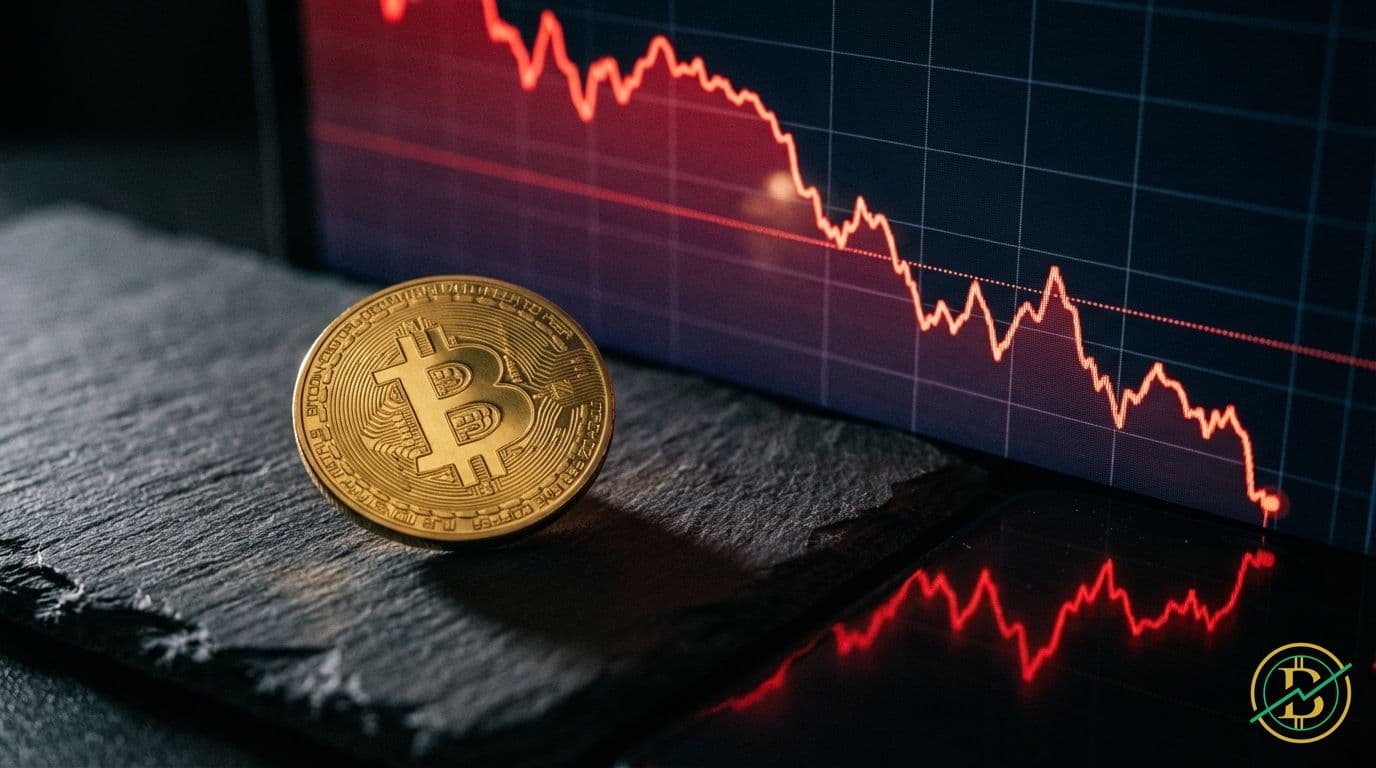
Bitcoin's Volatility Returns: Navigating the Price Dip Below $80,000
The Bitcoin market is experiencing renewed volatility, with the Bitcoin price dipping below the $80,000 threshold, a level that has served as a critical support and psychological marker for experienced traders. This recent downturn has sparked renewed interest and analysis within the cryptocurrency community. Understanding the factors driving this price action is crucial for those actively managing their portfolios.
Currently, the Bitcoin price is fluctuating, exhibiting a pattern of both downward pressure and attempts at recovery. The breach of $80,000 highlights the dynamic nature of the market and the potential for rapid shifts in sentiment. Several elements could be contributing to the recent price decline.
One key factor often cited is profit-taking. After periods of sustained growth, some investors choose to realize gains, leading to increased selling pressure. This behavior is typical in mature markets, where traders are constantly assessing risk and reward. Another significant influence is overall market sentiment. Broader economic concerns or shifts in macroeconomic indicators can influence investor confidence, potentially leading to a flight to safety and a reduction in risk appetite across all asset classes, including Bitcoin. Additionally, regulatory news and developments can also impact the Bitcoin price. The cryptocurrency market is sensitive to any announcements regarding regulatory clarity or uncertainty.
Examining on-chain data offers further insights. Metrics such as transaction volume, the number of active addresses, and the flow of Bitcoin across exchanges are closely watched by technical analysts. A decrease in on-chain activity may indicate a cooling market, while an increase could signal renewed interest. Furthermore, analysis of futures contracts and options trading provides clues about institutional activity and market expectations. A significant shift in open interest or the implied volatility of options can signal potential future price movements.
For seasoned traders, this type of volatility presents both challenges and opportunities. The ability to identify key support and resistance levels, monitor market trends, and implement risk management strategies becomes even more critical during periods of price fluctuation. Technical analysis tools, including moving averages, relative strength index (RSI), and Fibonacci retracement levels, are often employed to navigate these challenging market conditions.
Moreover, the behavior of institutional investors is closely watched. Their participation in the market, whether through spot purchases or derivatives trading, can significantly impact price dynamics. Traders carefully monitor their activity, looking for patterns or trends that may offer valuable insights into future price movements. Understanding the relationship between these factors and the Bitcoin price is essential for anyone involved in cryptocurrency trading.
⚡Trading Benefits
20% CashbackLifetime cashback on all your trades.
- 20% fees back — on every trade
- Paid out directly by the exchange
- Set up in 2 minutes
Affiliate links · No extra cost to you
20%
Cashback
Example savings
$1,000 in fees
→ $200 back
Disclaimer
This article is for informational purposes only. The content does not constitute financial advice, investment recommendation, or solicitation to buy or sell securities or cryptocurrencies. Biturai assumes no liability for the accuracy, completeness, or timeliness of the information. Investment decisions should always be made based on your own research and considering your personal financial situation.