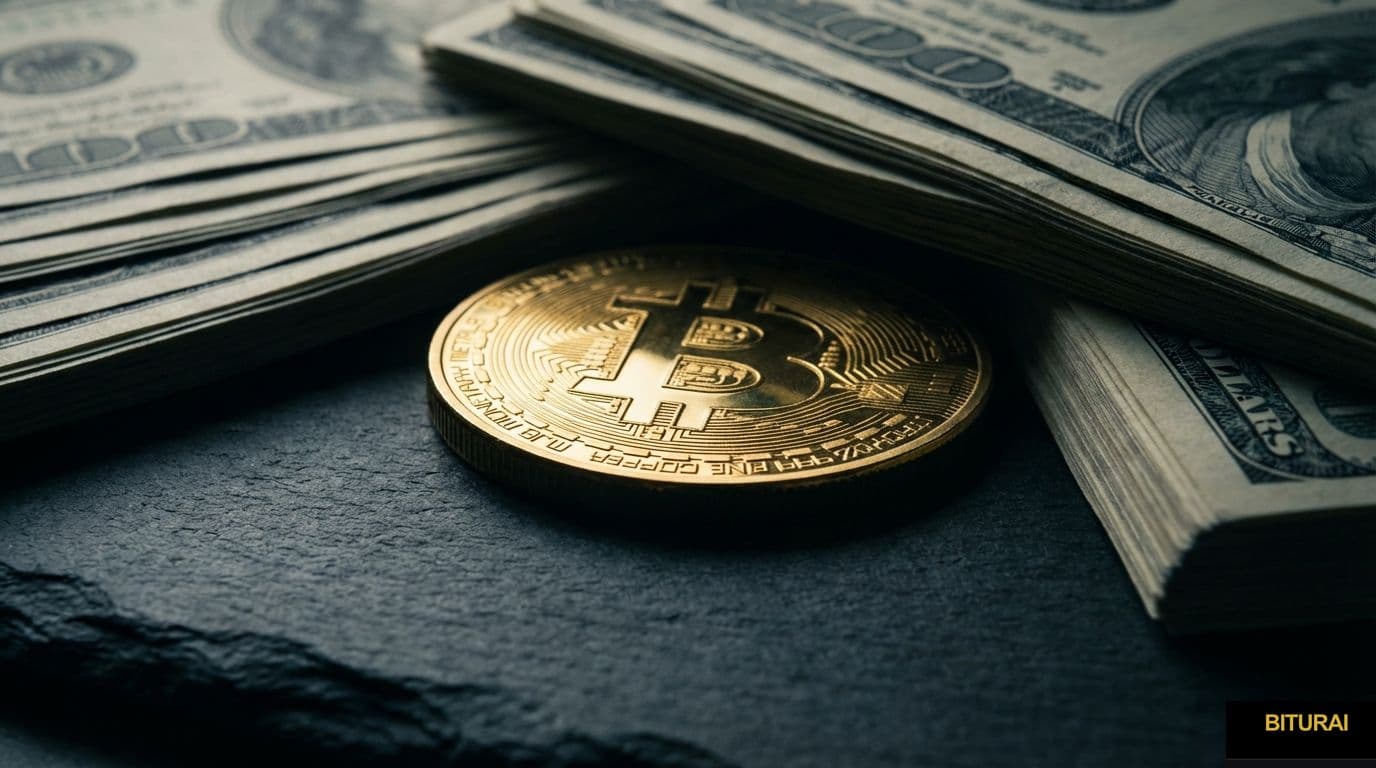
Bitcoin's Volatility: Decoding the Dollar's Impact on Cryptocurrency Prices
The cryptocurrency market experienced a dramatic shift recently, with Bitcoin, the leading digital asset, exhibiting significant price volatility. While early in the week Bitcoin flirted with levels nearing $91,000, the market's trajectory reversed sharply. A key factor driving this reversal appears to be the strengthening of the U.S. dollar, a dynamic relationship that seasoned cryptocurrency traders are keenly observing.
Understanding the interplay between the U.S. dollar and the Bitcoin price is crucial for navigating the complexities of the digital asset market. Historically, a weakening dollar has often correlated with an upward trend in Bitcoin’s value, as investors seek alternative stores of value. Conversely, a strengthening dollar can exert downward pressure on Bitcoin, and other cryptocurrencies, as global investors potentially shift capital back into dollar-denominated assets. This inverse relationship isn't always perfectly mirrored, yet it remains a strong indicator traders monitor.
Several factors contribute to the dollar's influence. The dollar's strength often reflects investor sentiment regarding the broader macroeconomic environment, including inflation rates, interest rate decisions by the Federal Reserve, and global economic growth forecasts. When the dollar strengthens, it becomes more expensive for investors using other currencies to purchase Bitcoin, potentially dampening demand and driving prices lower. This effect is amplified when investors perceive the dollar as a safe haven asset during periods of economic uncertainty.
Analyzing the specific events surrounding this week's Bitcoin price correction reveals the dollar's pivotal role. As the dollar began to strengthen, likely influenced by factors such as shifts in inflation expectations or positive economic data, Bitcoin's ascent stalled, and a subsequent decline ensued. This rapid change underscores the sensitivity of the Bitcoin price to broader financial market dynamics.
Experienced cryptocurrency traders actively monitor various indicators to assess this relationship. The U.S. Dollar Index (DXY), which measures the dollar's value against a basket of currencies, is a frequently cited benchmark. Examining the DXY's movements in conjunction with Bitcoin price charts provides valuable insights into potential market trends. Traders also consider the relative strength of other currencies and global economic data releases for a more comprehensive market perspective.
Furthermore, it is important to understand that other factors influence Bitcoin’s price, including overall market sentiment, regulatory developments, and technological advancements. However, the correlation between the dollar's strength and Bitcoin's performance remains a crucial consideration for any trader looking to manage risk and capitalize on market opportunities. The current market environment serves as a potent reminder of the interconnectedness of global financial markets and the importance of adapting trading strategies to reflect these evolving dynamics. As such, the dollar's movements warrant close observation as they continue to shape the trajectory of Bitcoin and the broader cryptocurrency market.
⚡Trading Benefits
20% CashbackLifetime cashback on all your trades.
- 20% fees back — on every trade
- Paid out directly by the exchange
- Set up in 2 minutes
Affiliate links · No extra cost to you
20%
Cashback
Example savings
$1,000 in fees
→ $200 back
Disclaimer
This article is for informational purposes only. The content does not constitute financial advice, investment recommendation, or solicitation to buy or sell securities or cryptocurrencies. Biturai assumes no liability for the accuracy, completeness, or timeliness of the information. Investment decisions should always be made based on your own research and considering your personal financial situation.