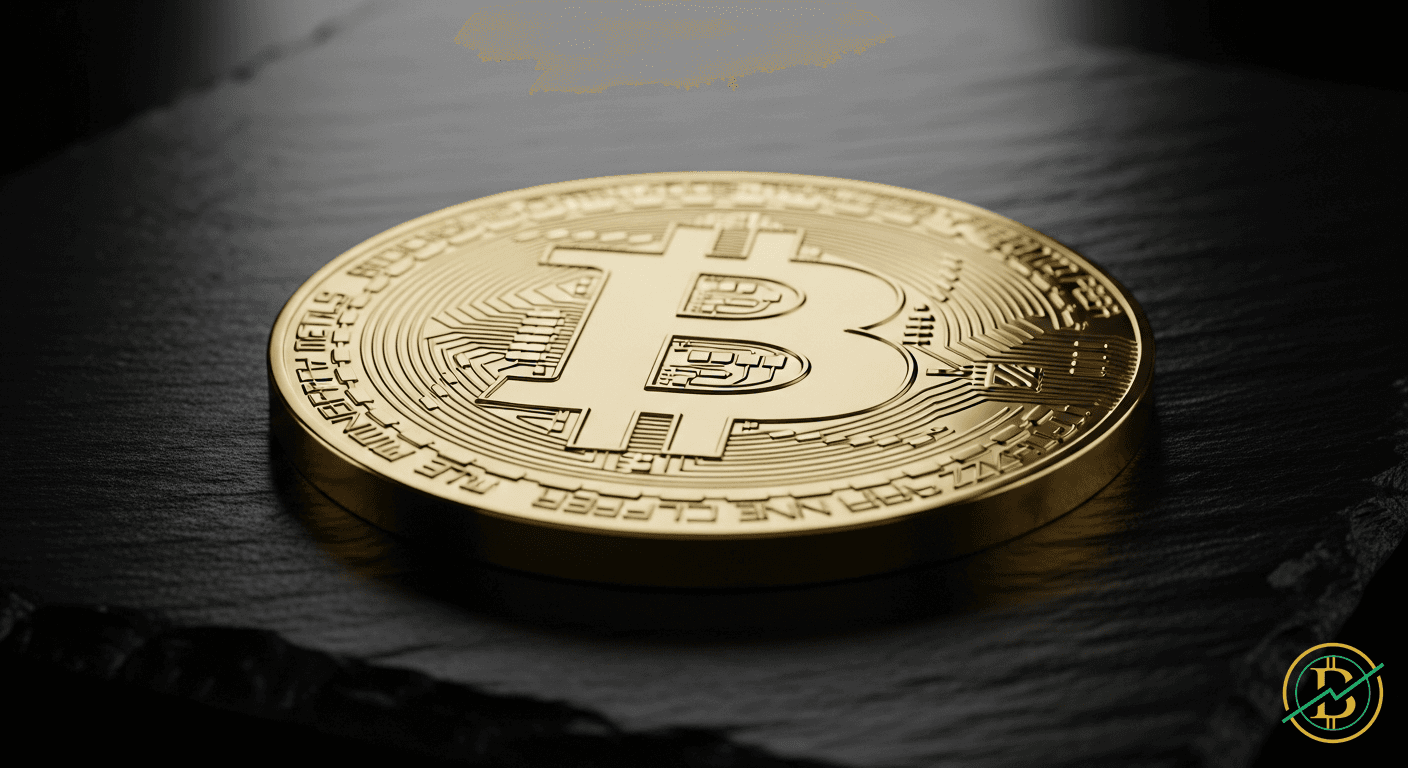
Bitcoin's Scarcity Squeeze: Navigating the Final Mining Epoch
Key Insights
- →Bitcoin's available supply dwindles as mining approaches its final phase.
- →Price discovery increasingly hinges on existing holder behavior and demand.
- →Macroeconomic trends will exert greater influence on Bitcoin's valuation.
What Happened?
The Bitcoin network is rapidly approaching a significant milestone: the mining of 95% of all bitcoins. With roughly 20 million BTC already in circulation, the pace of new supply creation is decelerating dramatically. This reduction in newly minted coins intensifies the existing scarcity inherent in Bitcoin's design. This dynamic transition fundamentally alters the forces that have historically shaped Bitcoin's price trajectory. The market is now entering a phase where the flow of new supply plays a significantly diminished role in price determination.
This shift concentrates the focus on the existing circulating supply, held by both short term and long term investors. The actions of these existing holders, including their willingness to sell or hold their BTC, become increasingly pivotal. The supply shock, coupled with sustained or increasing demand, could have substantial implications for future price movements. The reduced inflow of new coins also makes the network more resistant to downward price pressures stemming from newly issued BTC.
Background
Bitcoin's issuance schedule is predetermined by its protocol, with a fixed total supply of 21 million coins. The rate at which new bitcoins are created, known as the block reward, halves approximately every four years, a process called the halving. This programmed scarcity is a core tenet of Bitcoin's design. The recent halving has amplified the effect of the ongoing mining process. As the issuance rate declines, the impact of each new block reward becomes proportionally smaller, reinforcing the scarcity narrative.
The early years of Bitcoin witnessed a rapid influx of new coins into the market, which was offset by the nascent demand from early adopters and those exploring the technology. As adoption grows and the mining reward diminishes, the proportion of the total supply being mined decreases. This creates a situation where the influence of new supply on the market diminishes. The focus increasingly shifts to secondary market trading and the behavior of those who already own Bitcoin.
Market Impact
The reduced supply of newly mined Bitcoin is likely to shift the price discovery process. Price fluctuations will be more heavily influenced by market demand and the actions of existing holders. The willingness of long term investors to hold, or the decisions of short term traders to sell, will become more critical factors. The influence of macroeconomic trends, such as inflation, interest rate policies, and global economic growth, will also become more pronounced.
With a smaller influx of new coins, Bitcoin's price may become more sensitive to broader market dynamics. The cryptocurrency's performance could increasingly correlate with traditional financial assets, as investors treat it as an increasingly scarce and mature asset class. This transition demands that experienced crypto traders carefully monitor both on chain metrics and the macro economic landscape when evaluating market trends.
⚡Trading Benefits
20% CashbackLifetime cashback on all your trades.
- 20% fees back — on every trade
- Paid out directly by the exchange
- Set up in 2 minutes
Affiliate links · No extra cost to you
20%
Cashback
Example savings
$1,000 in fees
→ $200 back
Related Articles
Bitcoin Navigates Geopolitical Tensions and Energy Scrutiny

Belgian Banking Giant Embraces Digital Assets with Innovative Trading Platform
Bitcoin ETFs Surge as Institutional Interest Diverges from Altcoin Sentiment

Bitcoin Acquisition Strategy Fuels Corporate Treasury Through Share Sales
Disclaimer
This article is for informational purposes only. The content does not constitute financial advice, investment recommendation, or solicitation to buy or sell securities or cryptocurrencies. Biturai assumes no liability for the accuracy, completeness, or timeliness of the information. Investment decisions should always be made based on your own research and considering your personal financial situation.