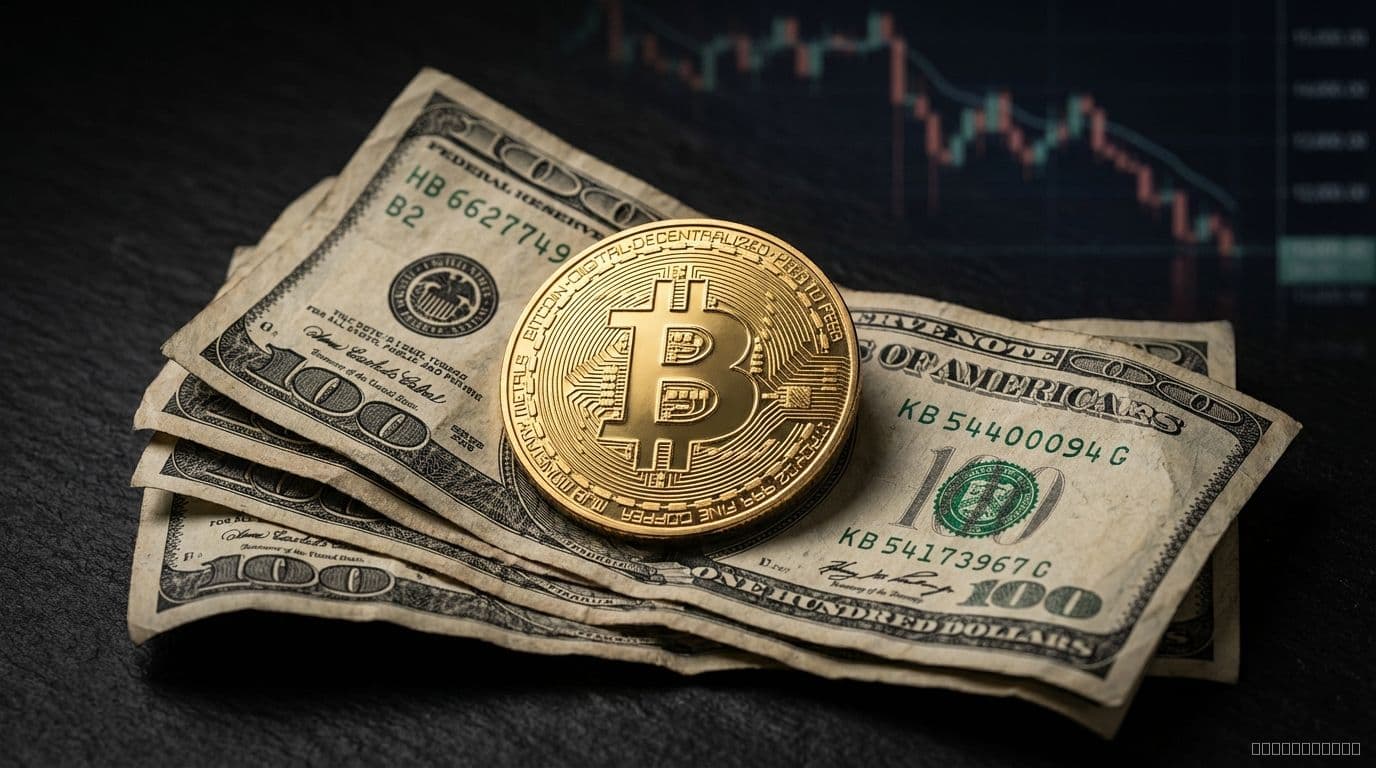
Bitcoin's Resilience Tested Amidst Dollar's Diminishing Clout: A Market Analysis
The cryptocurrency market, particularly Bitcoin, has experienced significant volatility recently, prompting seasoned traders to reassess their positions. This comes against a backdrop of increasing concern regarding the purchasing power of the United States dollar. Economic indicators suggest a continued erosion of the dollar's value, fueled by factors such as persistent national debt and inflationary pressures. This environment is creating a complex landscape for digital asset valuation.
Bitcoin, often touted as a hedge against inflation and a store of value, has demonstrated a varied performance during this period of dollar weakness. While the Bitcoin price has faced downward pressure, experiencing notable dips from its peak, the underlying narrative of Bitcoin’s potential as a safe haven asset remains a key talking point among investors. This is especially true as the traditional financial system grapples with economic uncertainties.
Market analysts are closely watching the relationship between the weakening dollar and the Bitcoin price. Some argue that the dollar's decline could eventually act as a catalyst for Bitcoin's resurgence, as investors seek alternatives to protect their capital. However, other experts caution against drawing hasty conclusions, pointing to the numerous factors that influence cryptocurrency prices, including regulatory developments, global economic conditions, and shifts in investor sentiment.
The recent market downturn, impacting various cryptocurrencies, has also brought attention to alternative cryptocurrencies. While Bitcoin remains the dominant cryptocurrency by market capitalization, other digital assets such as Solana (SOL) have also experienced fluctuations. The performance of these altcoins, which often move in tandem with Bitcoin but can also exhibit independent dynamics, contributes to the overall market sentiment and impacts trading strategies. Traders are therefore diversifying and employing different risk management strategies to navigate the current market conditions.
Seasoned cryptocurrency traders are meticulously analyzing key metrics such as trading volume, on chain activity, and technical indicators to make informed decisions. The market's reaction to news events, regulatory announcements, and shifts in institutional interest is also closely monitored. Understanding these factors is crucial for navigating the inherent volatility of the cryptocurrency market and capitalizing on potential opportunities.
Furthermore, the evolving regulatory landscape continues to play a pivotal role. Governmental policies and pronouncements regarding cryptocurrency taxation, exchange operations, and overall market oversight have a significant impact on investor confidence and trading activity. Investors must stay informed about these developments to anticipate potential market shifts. The convergence of dollar devaluation concerns, Bitcoin's price performance, and the broader cryptocurrency market dynamics creates a dynamic and challenging environment for traders.
⚡Trading Benefits
20% CashbackLifetime cashback on all your trades.
- 20% fees back — on every trade
- Paid out directly by the exchange
- Set up in 2 minutes
Affiliate links · No extra cost to you
20%
Cashback
Example savings
$1,000 in fees
→ $200 back
Related Articles

Fresh Listings Fuel Bullish Momentum: BASED Token Soars as New Crypto Assets Gain Traction

Polkadot's Path to Interoperability: Assessing DOT's Potential and Network Dynamics

XRP Ledger Demonstrates Cost Efficiency Surpassing Competitors in the Crypto Arena

Solana Navigates Market Volatility as Traders Anticipate Macroeconomic Cues
Disclaimer
This article is for informational purposes only. The content does not constitute financial advice, investment recommendation, or solicitation to buy or sell securities or cryptocurrencies. Biturai assumes no liability for the accuracy, completeness, or timeliness of the information. Investment decisions should always be made based on your own research and considering your personal financial situation.