
Bitcoin's Quantum Threat A Deep Dive for Experienced Traders
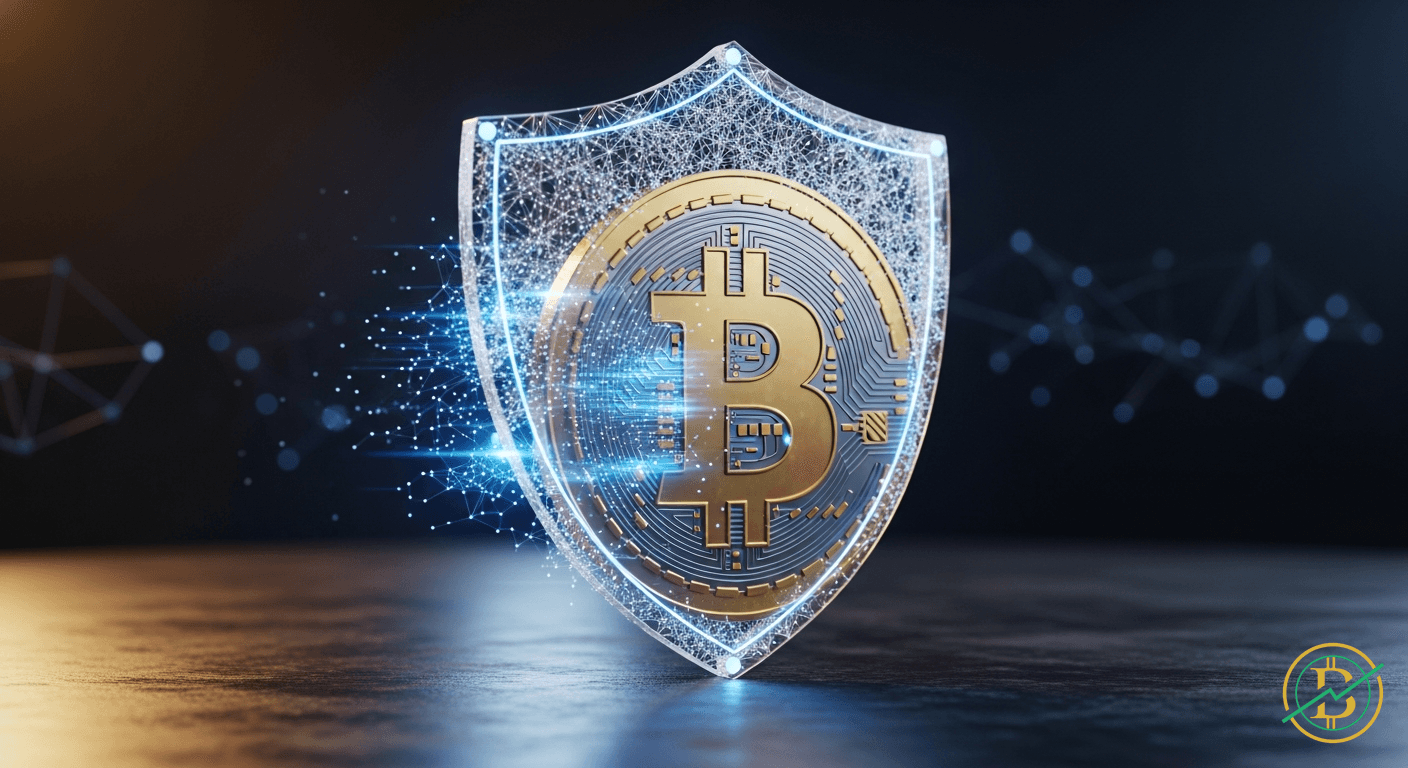
The looming threat of quantum computing has become a significant consideration for seasoned cryptocurrency traders, particularly concerning the long term security of Bitcoin. While the network has remained resilient, the potential for quantum computers to compromise cryptographic algorithms currently securing Bitcoin necessitates careful evaluation. The core issue revolves around the Shor's algorithm, a quantum algorithm capable of efficiently factoring large numbers, which is the cornerstone of the Elliptic Curve Digital Signature Algorithm (ECDSA) used in Bitcoin's transaction validation.
If a sufficiently powerful quantum computer were to materialize, it could theoretically break ECDSA, allowing malicious actors to forge digital signatures and potentially steal Bitcoin. This vulnerability doesn't mean Bitcoin is instantly at risk; the computing power required is currently beyond existing quantum computers. However, the trajectory of quantum computing's development demands attention, especially given the rapid advancements observed recently.
Industry analysts are actively researching and analyzing the scope of the problem. Much of the focus is on post quantum cryptography (PQC), which aims to develop cryptographic algorithms resistant to attacks from both classical and quantum computers. Several potential solutions are being explored, including lattice based cryptography, multivariate cryptography, and hash based signatures. These alternatives are designed to withstand the computational advantages quantum computers provide.
The transition to quantum resistant cryptography is a complex undertaking. It requires significant changes to the Bitcoin protocol, which would likely involve a hard fork. This process has to be carefully planned and executed to prevent disruption or security vulnerabilities. The development and implementation of PQC also brings the challenge of interoperability; how new quantum resistant systems integrate with existing infrastructure is a critical factor.
Many developers are considering the implications for other cryptocurrencies as well. Alternative coins, like those utilizing different cryptographic approaches, may have varying levels of vulnerability. For example, some cryptocurrencies, including those that are designed to be used with the QUSDT stablecoin or those associated with the QUA project, are exploring alternative solutions to increase security. Experienced traders should be mindful of these differences when assessing risk profiles.
The ongoing conversation regarding quantum resistance extends beyond the Bitcoin protocol itself. The security of digital asset exchanges and the wallets where Bitcoin is stored also come under scrutiny. Hardware wallets, for example, might require updates to support PQC. Exchanges must implement robust security measures to protect user funds from potential quantum attacks.
Currently, the threat remains a long term concern. However, proactive measures, including ongoing research into PQC, community discussions, and the development of contingency plans, are essential. Experienced cryptocurrency traders are advised to stay informed on the advancements in both quantum computing and cryptographic countermeasures, as these technologies evolve. This vigilance is crucial for navigating the future landscape of digital assets.
⚡Trading Benefits
20% CashbackLifetime cashback on all your trades.
- 20% fees back — on every trade
- Paid out directly by the exchange
- Set up in 2 minutes
Affiliate links · No extra cost to you
20%
Cashback
Example savings
$1,000 in fees
→ $200 back
Related Articles



Disclaimer
This article is for informational purposes only. The content does not constitute financial advice, investment recommendation, or solicitation to buy or sell securities or cryptocurrencies. Biturai assumes no liability for the accuracy, completeness, or timeliness of the information. Investment decisions should always be made based on your own research and considering your personal financial situation.