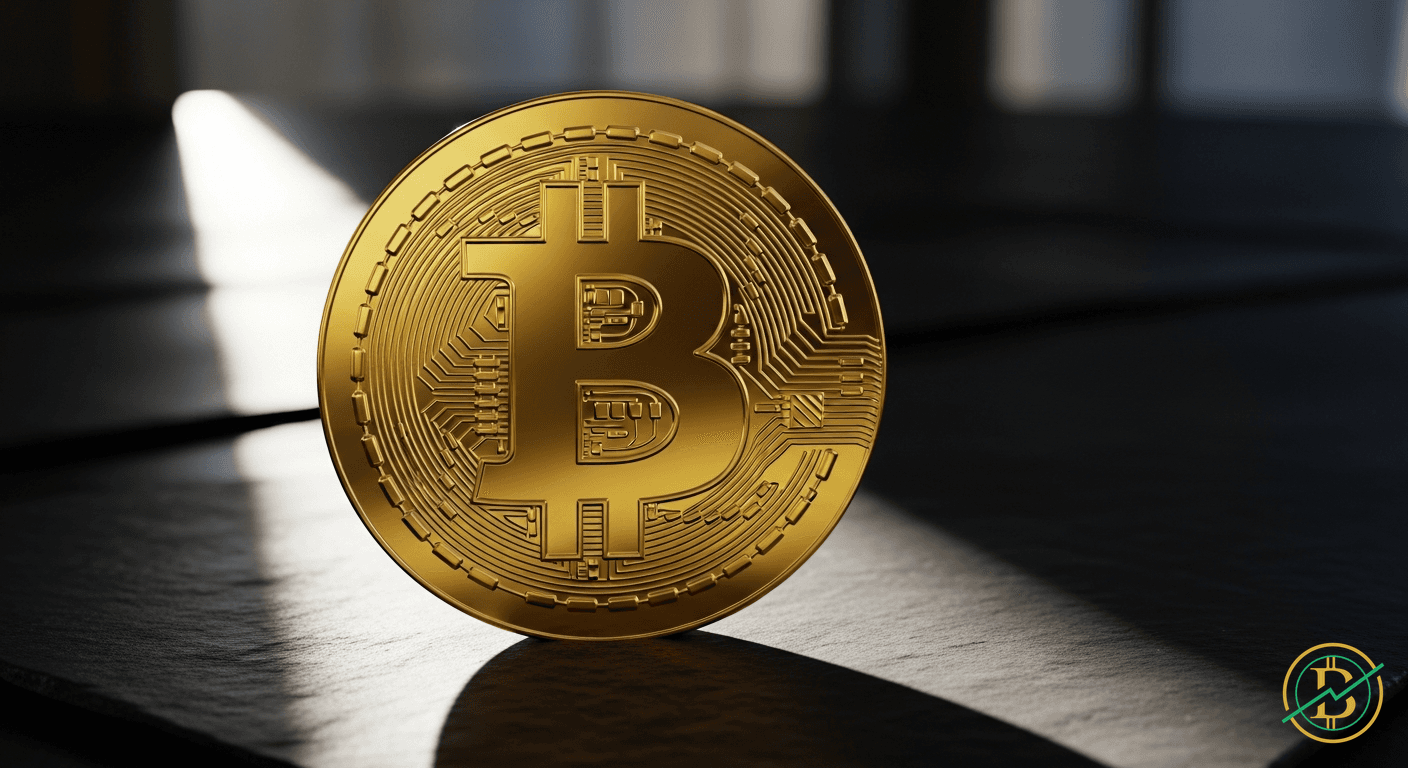
Bitcoin's Price Plunge: Dissecting the Divergence from Broad Liquidity
Key Insights
- →Bitcoin's price correction contradicts the expectation of gains during expanding liquidity.
- →The strength of the US DOLLAR and investor risk aversion are key factors.
- →The relationship between BTC, GOLD, and overall market sentiment remains complex.
What Happened?
Bitcoin’s price has experienced a significant downturn recently, losing a substantial percentage of its value. This correction has surprised many seasoned crypto traders, particularly given the concurrent trend of increasing global liquidity. Traditionally, an influx of capital into the financial system, as measured by indicators such as the M2 money supply, often correlates with asset price appreciation, including cryptocurrencies like BTC. However, the market has not followed this expected pattern, leading to increased scrutiny of the factors influencing Bitcoin's performance. Many analysts are now investigating the underlying dynamics that have driven this divergence, seeking to understand why Bitcoin has failed to benefit from the broader increase in available funds.
This recent price movement of Bitcoin presents a puzzle for traders and investors. The prevailing narrative of increased liquidity has not translated into the anticipated bullish momentum for BTC. Instead, the market is demonstrating a complex interplay of forces. Understanding this current divergence is crucial for investors looking to navigate the volatile landscape of digital assets.
Background
Historically, Bitcoin has been viewed by some as a potential hedge against inflation and a store of value, drawing comparisons to GOLD. During periods of economic uncertainty, investors often seek safe haven assets, and both GOLD and BTC have previously seen increased interest. However, the correlation between Bitcoin and GOLD is not always consistent, and factors such as institutional adoption, regulatory developments, and market sentiment can significantly impact BTC's price.
The current situation is further complicated by the strength of the US DOLLAR. As the global reserve currency, the DOLLAR's performance often influences the pricing of assets like BTC, particularly when risk aversion is high. When the DOLLAR strengthens, it can make Bitcoin more expensive for international investors, potentially leading to selloffs. This relationship, coupled with evolving sentiment around the cryptocurrency market, underscores the complexity of predicting Bitcoin's movements.
Market Impact
The ongoing price correction in Bitcoin has triggered discussions on investor strategies and risk management. The prevailing question is: why isn’t the market behaving as expected? The answers are multifaceted. The DOLLAR's strength, combined with wider macroeconomic concerns, appears to have exerted pressure. Traders are also actively analyzing how institutional involvement and regulatory developments are influencing market trends.
Looking ahead, the relationship between Bitcoin and traditional assets like GOLD, alongside wider market liquidity, will likely remain crucial. Monitoring these factors is essential for making informed decisions in the cryptocurrency market. The future trajectory of Bitcoin will depend on how these conflicting forces interact, and on the evolution of investor risk appetite within the context of a changing global financial landscape.
⚡Trading Benefits
20% CashbackLifetime cashback on all your trades.
- 20% fees back — on every trade
- Paid out directly by the exchange
- Set up in 2 minutes
Affiliate links · No extra cost to you
20%
Cashback
Example savings
$1,000 in fees
→ $200 back
Related Articles

Significant Bitcoin Accumulation Signals Potential Price Stability

Bitcoin's Role in the Emerging Artificial Intelligence Landscape: A Strategic Assessment

Bitcoin Fortune Battle: UK Man Accuses Wife of Crypto Heist
Bitcoin's Consolidation Phase: Wintermute's Insights on Key Indicators
Disclaimer
This article is for informational purposes only. The content does not constitute financial advice, investment recommendation, or solicitation to buy or sell securities or cryptocurrencies. Biturai assumes no liability for the accuracy, completeness, or timeliness of the information. Investment decisions should always be made based on your own research and considering your personal financial situation.