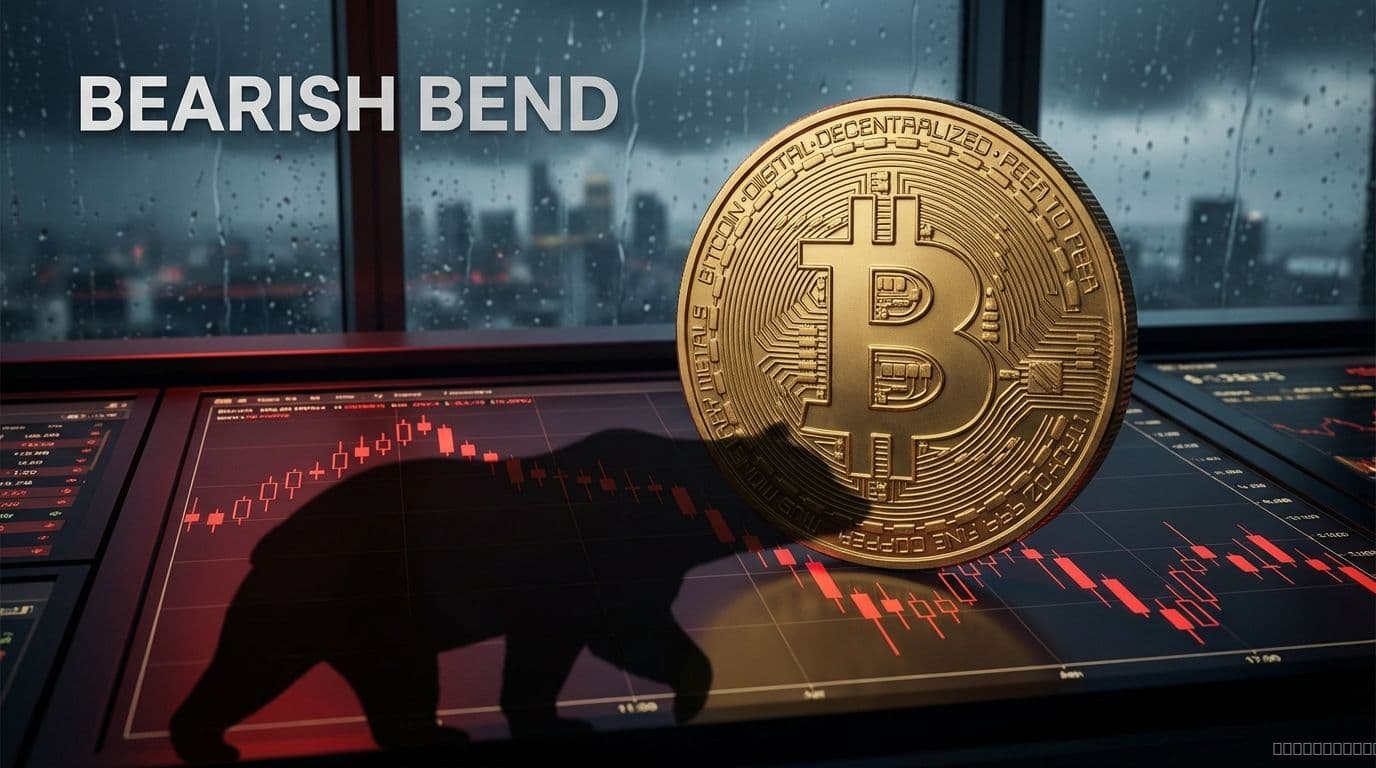
Bitcoin's Bearish Bend: Unpacking its Unexpected Market Sensitivity
Bitcoin, the flagship cryptocurrency, has exhibited a perplexing shift in its market behavior recently, particularly concerning its reaction to broader financial trends. Where once it was perceived as an uncorrelated asset, a digital gold offering refuge during economic downturns, Bitcoin is now demonstrating a heightened sensitivity to market declines, a trend that warrants close examination by seasoned traders.
Over the past quarter, Bitcoin has moved in tandem with, and sometimes even preceded, drops in traditional markets. This behavior deviates significantly from its historical performance, raising questions about the underlying drivers of this change. While Bitcoin has shown periods of resilience, its recent response to market volatility has been notably bearish. This sensitivity is particularly pronounced during periods of heightened risk aversion, such as when inflation concerns resurface or geopolitical tensions escalate.
The cryptocurrency community is actively dissecting the possible catalysts for this evolving dynamic. One leading theory centers on the increased institutional involvement in the Bitcoin market. As institutional investors, including hedge funds and family offices, allocate more capital to Bitcoin, their risk management strategies and trading behaviors can significantly influence price movements. These sophisticated investors often employ hedging strategies, potentially leading to Bitcoin sales during periods of market stress, thereby amplifying the downward pressure.
Another factor to consider is the evolving perception of Bitcoin as a risk asset. Initially, many viewed Bitcoin as a hedge against inflation or a store of value akin to gold. However, as Bitcoin's market capitalization has grown and its adoption expanded, it has also become more integrated into the broader financial ecosystem. This integration subjects it to the same forces that impact other risk assets, such as equities. The correlation between Bitcoin price and traditional assets is currently a significant area of focus for many.
Furthermore, the influence of regulatory developments and macroeconomic data cannot be overlooked. Announcements from regulatory bodies, or shifts in monetary policy, can trigger substantial market reactions, impacting cryptocurrency valuations. The market's response to rising interest rates, for example, could be a critical indicator of Bitcoin's future trajectory. A strong Bitcoin reserve (RSRV) is also often considered a sign of a healthy and stable market, though this is only one indicator.
Understanding this evolving market sensitivity is crucial for experienced cryptocurrency traders. Observing Bitcoin’s reaction to market declines, analyzing institutional activity, monitoring regulatory pronouncements, and assessing broader macroeconomic trends are all essential aspects of navigating the current market environment. The current Bitcoin behavior demands a reassessment of traditional trading strategies and a heightened awareness of the interconnectedness between the cryptocurrency market and the global financial landscape. The future performance of Bitcoin will likely be shaped by its continued response to these external pressures.
⚡Trading Benefits
20% CashbackLifetime cashback on all your trades.
- 20% fees back — on every trade
- Paid out directly by the exchange
- Set up in 2 minutes
Affiliate links · No extra cost to you
20%
Cashback
Example savings
$1,000 in fees
→ $200 back
Related Articles

XRP's Ascent Fuels Optimism as Ripple Solidifies International Footprint
Bitcoin's Consolidation Phase: Wintermute's Insights on Key Indicators

Bitcoin Stabilizes Following Recent Rally Amidst Bullish Derivatives Landscape

Altcoin Rally Brewing: Key Metrics Signaling a Potential Market Shift
Disclaimer
This article is for informational purposes only. The content does not constitute financial advice, investment recommendation, or solicitation to buy or sell securities or cryptocurrencies. Biturai assumes no liability for the accuracy, completeness, or timeliness of the information. Investment decisions should always be made based on your own research and considering your personal financial situation.