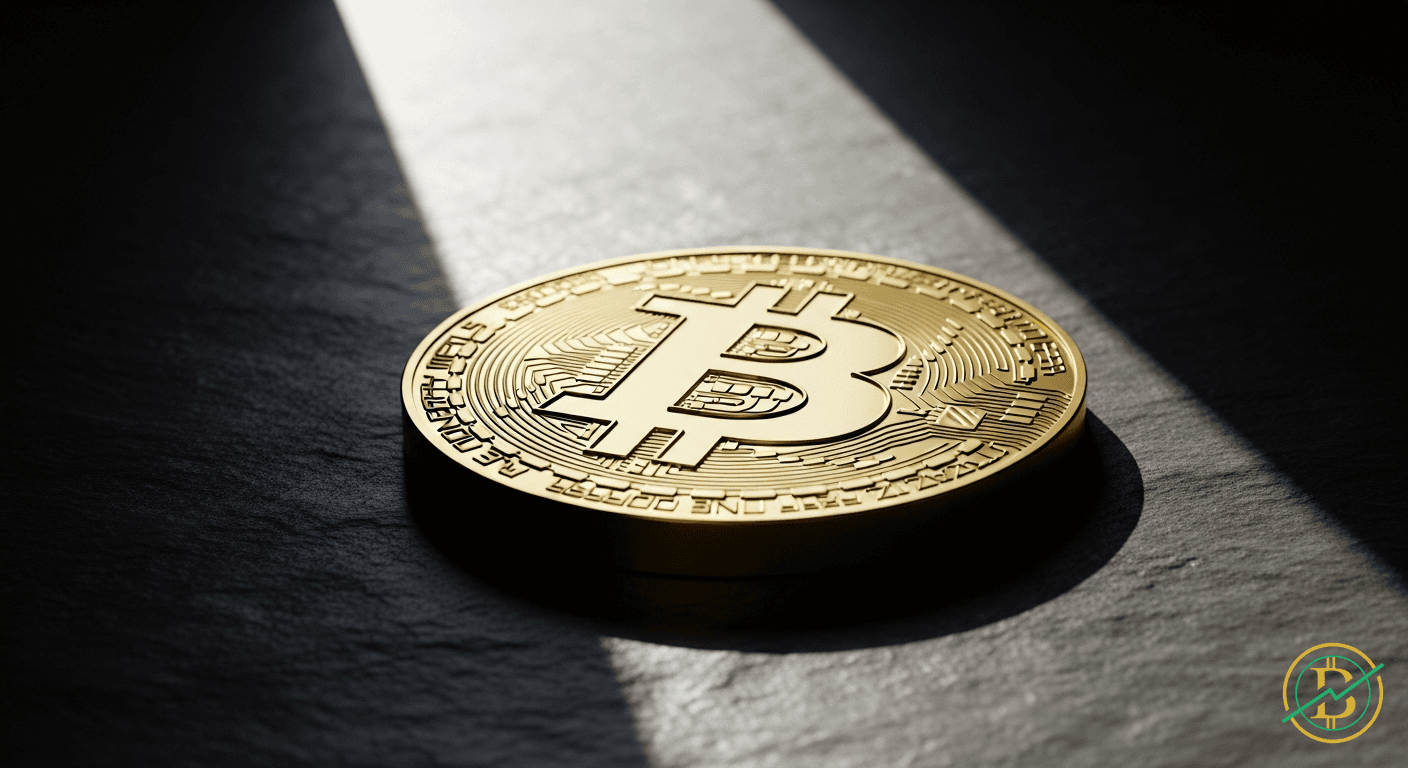
Bitcoin Under Fire: Scrutiny Intensifies Following Public Criticism
Key Insights
- →Former political leader's Bitcoin skepticism reignites debate.
- →Crypto community responds with defenses of digital currencies.
- →Regulatory concerns and market volatility remain central themes.
What Happened?
The cryptocurrency market is currently abuzz following sharp criticism of Bitcoin from a prominent former political figure. The individual, known for their previous leadership role in a major global economy, publicly labeled Bitcoin a potential “Ponzi scheme.” This assessment, delivered during a recent public appearance, immediately ignited a firestorm of discussion across financial and technology sectors. The remarks swiftly circulated through social media channels and financial news outlets, prompting immediate reactions from both proponents and detractors of digital currencies. The core of the criticism centered on the decentralized nature of Bitcoin, its price volatility, and the perceived lack of intrinsic value, echoing long held concerns about the asset class.
The former leader’s comments, though not entirely new to the discourse surrounding Bitcoin, have gained significant traction due to the individual’s prior influence and established credibility within traditional financial circles. This has resulted in a renewed focus on the regulatory landscape of digital currencies and the potential for greater governmental scrutiny worldwide. The debate extends beyond just Bitcoin (BTC), encompassing a wider range of digital to digital (D2D) assets and alternative currencies (CCY). The controversy quickly spilled over into the investor community, with some traders expressing concern and others seeing the event as an opportunity to further solidify Bitcoin's position as a global asset.
Background
Bitcoin has always faced significant skepticism from traditional financial institutions and established political figures. The cryptocurrency's decentralized nature challenges the centralized control held by many governments and financial regulators. Concerns about money laundering, tax evasion, and illicit activities have consistently fueled arguments against widespread adoption. The "Ponzi scheme" label, though often used hyperbolically, reflects worries about a lack of fundamental value and the dependence on new investors to sustain the asset’s price.
The underlying technology, blockchain, has also been subject to scrutiny. While proponents highlight its transparency and security, critics emphasize scalability issues and energy consumption concerns. The initial development of Bitcoin, shrouded in anonymity, has further complicated the situation, with the identity of the creator, Satoshi Nakamoto, remaining a mystery. The rise in popularity of Bitcoin and other cryptocurrencies has led to an exponential increase in the number of crypto CEOs and other key figures involved, all of whom have a vested interest in the market's stability and growth. This has created a complex ecosystem where various forces are constantly vying for influence and legitimacy.
Market Impact
The immediate market impact has been a period of heightened volatility. Bitcoin's price experienced a short term dip following the critical remarks, reflecting the sensitive nature of market sentiment and the influence of prominent public figures. However, the price has stabilized somewhat, indicating a degree of resilience from long term holders and continued demand. The incident reinforces the need for investors to stay informed about the evolving regulatory environment and the potential risks associated with cryptocurrency investments.
The discussion also underscores the ongoing need for clearer regulations and a more robust framework for the cryptocurrency market. This is crucial to protect investors, prevent illicit activities, and foster mainstream adoption. The incident serves as a reminder that Bitcoin, despite its established position, remains a highly scrutinized asset, and its future will be significantly shaped by the interplay between market forces, technological advancements, and regulatory actions.
⚡Trading Benefits
20% CashbackLifetime cashback on all your trades.
- 20% fees back — on every trade
- Paid out directly by the exchange
- Set up in 2 minutes
Affiliate links · No extra cost to you
20%
Cashback
Example savings
$1,000 in fees
→ $200 back
Related Articles

XRP Ledger Soars Past 7.7 Million Accounts Amidst Market Volatility

Bitcoin Futures Market Shows Caution Signals: Traders Should Remain Vigilant

UK Bitcoin Heist Trial Unfolds: $172 Million Cryptocurrency at Stake

XRP Gearing Up for Potential Price Surge According to Technical Indicators
Disclaimer
This article is for informational purposes only. The content does not constitute financial advice, investment recommendation, or solicitation to buy or sell securities or cryptocurrencies. Biturai assumes no liability for the accuracy, completeness, or timeliness of the information. Investment decisions should always be made based on your own research and considering your personal financial situation.