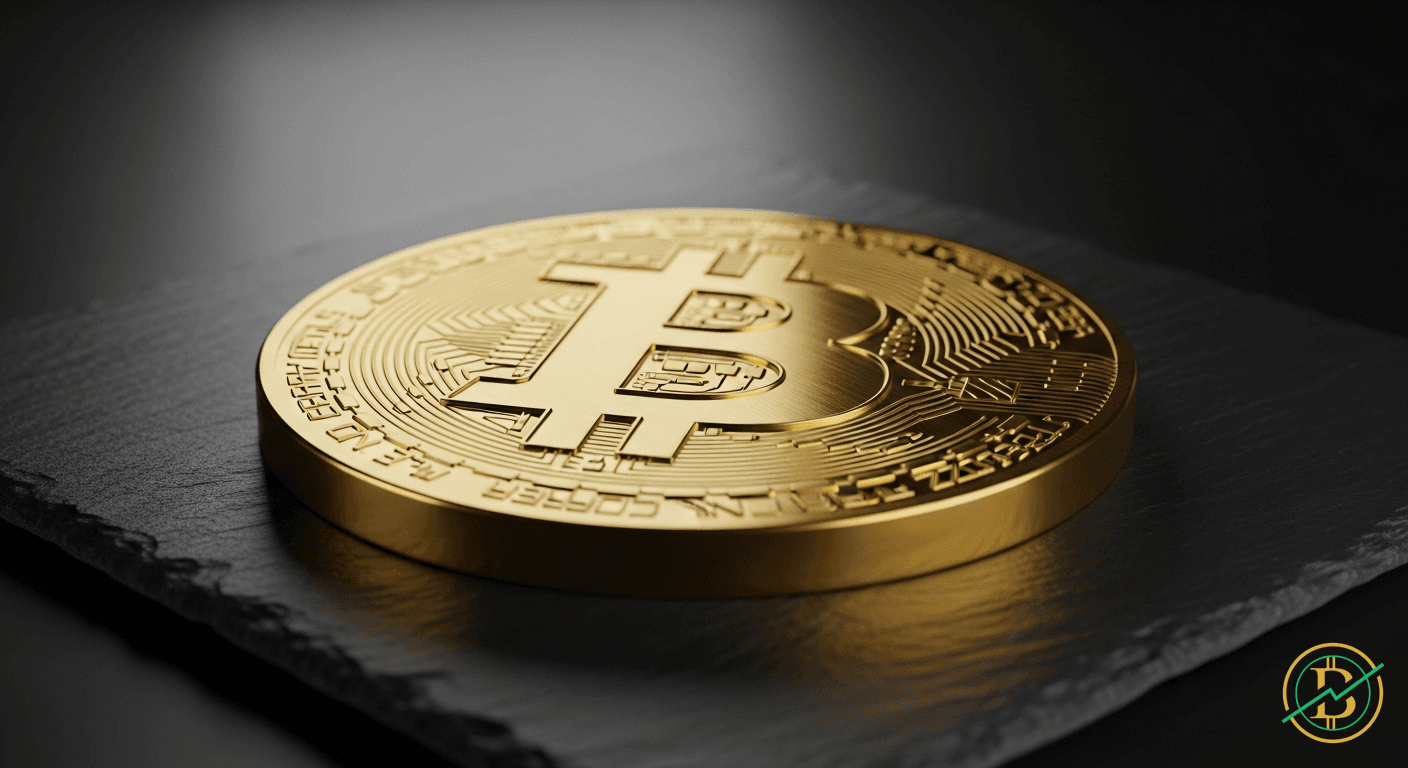
Bitcoin Stagnates Near $70,000 as Traders Await Key Economic Data
Key Insights
- →Bitcoin price consolidation persists near a crucial psychological level.
- →Investor sentiment remains cautious ahead of the upcoming economic reports.
- →Trading volume suggests a period of market indecision and uncertainty.
What Happened?
Bitcoin (BTC) is currently experiencing a period of sideways trading, hovering just below the $70,000 mark. After a period of volatile price action, the world's leading cryptocurrency appears to be consolidating, with both buyers and sellers seemingly hesitant to make a decisive move. This price stagnation comes as traders and investors alike prepare for the release of crucial economic data, specifically the upcoming United States inflation report. The market's anticipation of this report is clearly palpable, influencing trading behavior and leading to a decrease in overall trading volume compared to previous weeks.
This period of price consolidation reflects a broader market trend of caution. Many experienced crypto traders are adopting a wait and see approach, unwilling to commit significant capital until the economic landscape becomes clearer. The lack of strong directional movement indicates a state of equilibrium, with neither bulls nor bears able to gain a clear advantage. The $70,000 level has become a significant psychological barrier, and breaking through it will likely require a strong catalyst, such as a surprising inflation report or a significant shift in institutional investment.
Background
Bitcoin's recent price performance follows a period of significant growth. The cryptocurrency recently reached a new all time high, fueled by a combination of factors including increased institutional interest, the approval of Bitcoin Exchange Traded Funds (ETFs) and ongoing developments within the Bitcoin ecosystem. However, this bullish momentum has slowed in recent weeks, as the market digests these gains and anticipates potential headwinds. The upcoming inflation data is of particular importance because it can significantly influence the Federal Reserve’s monetary policy decisions, and by extension, impact risk assets like Bitcoin.
The macroeconomic environment is playing a significant role in shaping the current market dynamics. Inflation, interest rates, and overall economic growth all influence investor sentiment and risk appetite. Traders are closely monitoring these indicators, adjusting their positions accordingly. The current market conditions highlight the sensitivity of Bitcoin to broader economic trends, underscoring its role as a potentially high risk asset.
Market Impact
The current price stagnation and low trading volume suggest a period of market indecision. A higher than expected inflation reading could trigger a selloff, as it might prompt the Federal Reserve to maintain or even increase interest rates, potentially weakening the appeal of riskier assets. Conversely, a lower than expected inflation figure could fuel a rally, boosting investor confidence and attracting further capital into Bitcoin and other cryptocurrencies.
The longer this consolidation period continues, the more significant a breakout could become. A sustained move above $70,000 could signal a renewed bullish trend, while a break below key support levels could indicate a potential correction. Traders should carefully monitor trading volume, volatility, and any developments in the macroeconomic environment to assess the potential direction of Bitcoin's price in the days and weeks ahead.
⚡Trading Benefits
20% CashbackLifetime cashback on all your trades.
- 20% fees back — on every trade
- Paid out directly by the exchange
- Set up in 2 minutes
Affiliate links · No extra cost to you
20%
Cashback
Example savings
$1,000 in fees
→ $200 back
Related Articles



Disclaimer
This article is for informational purposes only. The content does not constitute financial advice, investment recommendation, or solicitation to buy or sell securities or cryptocurrencies. Biturai assumes no liability for the accuracy, completeness, or timeliness of the information. Investment decisions should always be made based on your own research and considering your personal financial situation.