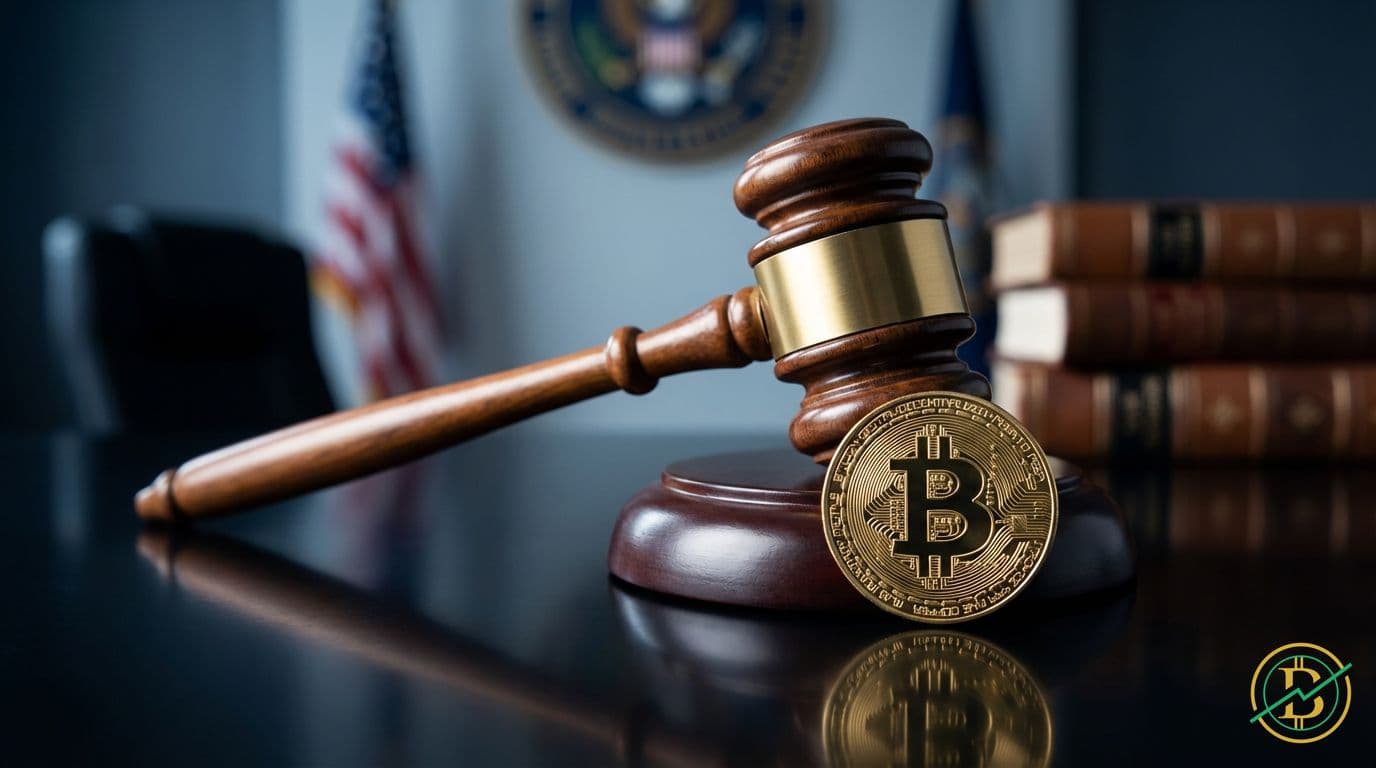
Bitcoin Stable Amidst South Korean Law Enforcement Investigation
Key Insights
- →South Korean authorities arrested individuals connected to a Bitcoin theft.
- →The stolen funds, totaling 22 BTC, were linked to police evidence.
- →Chain of custody issues and delayed discovery complicated the investigation.
What Happened?
South Korean law enforcement recently made arrests in connection to the theft of 22 Bitcoin (BTC) from evidence held by police. The investigation, which is still ongoing, revealed vulnerabilities within the chain of custody procedures, contributing to the delayed detection of the missing cryptocurrency. This situation underscores the critical need for robust security protocols, even within government institutions handling digital assets. The seized Bitcoin, a substantial amount by any measure, has spurred significant interest among cryptocurrency traders and analysts. Further details surrounding the individuals apprehended and their potential motives are being closely scrutinized. Parallel to this, authorities are also investigating a separate but related incident in Gwangju involving the disappearance of 320 BTC.
The investigation highlights the complexities of securing digital assets, particularly when they are managed by entities that may not prioritize the same level of security infrastructure as dedicated cryptocurrency exchanges or custodians. The specifics of how the Bitcoin was accessed and transferred are not yet fully disclosed, but the incident has sparked internal reviews of asset management protocols within various South Korean law enforcement agencies. These audits aim to prevent future occurrences by implementing stronger safeguards and more rigorous tracking mechanisms for seized digital assets. The current focus remains on recovering the stolen Bitcoin and holding those responsible accountable.
Background
This is not the first instance of digital asset mismanagement or theft involving law enforcement. Similar events globally have underscored the unique challenges associated with securing and safeguarding cryptocurrencies. Bitcoin, due to its decentralized nature and the irreversibility of transactions, requires stringent security measures. Chain of custody protocols are particularly vital, serving as a verifiable record of each movement and handling of the assets. Any gaps or weaknesses in these protocols can provide opportunities for unauthorized access and theft.
The recent arrests reflect increased scrutiny of cryptocurrency-related crimes in South Korea. The country is a significant player in the global crypto market, and its regulatory environment is constantly evolving. The incident serves as a reminder of the need for robust security practices, including multi signature wallets, secure storage, and regular audits, to protect digital assets from theft and fraud. The investigation will likely prompt a reevaluation of the handling of seized digital assets and strengthen the existing regulatory framework surrounding cryptocurrencies.
Market Impact
Despite the news, Bitcoin's price has remained relatively stable, indicating a level of market resilience. However, the incident does underscore potential vulnerabilities and may contribute to heightened awareness of security risks. Traders are closely monitoring any developments in the investigation, specifically focusing on the potential impact on investor confidence. The broader market reaction suggests that, while concerning, this individual case has not yet triggered significant systemic anxieties. The future price action of Bitcoin will depend on how the investigation unfolds and the extent to which law enforcement can recover the stolen funds and prevent similar incidents. The long term effects on the market remain to be seen.
⚡Trading Benefits
20% CashbackLifetime cashback on all your trades.
- 20% fees back — on every trade
- Paid out directly by the exchange
- Set up in 2 minutes
Affiliate links · No extra cost to you
20%
Cashback
Example savings
$1,000 in fees
→ $200 back
Related Articles
Significant Bitcoin Accumulation Signals Potential Price Stability
Bitcoin's Role in the Emerging Artificial Intelligence Landscape: A Strategic Assessment

Bitcoin Fortune Battle: UK Man Accuses Wife of Crypto Heist
Bitcoin's Consolidation Phase: Wintermute's Insights on Key Indicators
Disclaimer
This article is for informational purposes only. The content does not constitute financial advice, investment recommendation, or solicitation to buy or sell securities or cryptocurrencies. Biturai assumes no liability for the accuracy, completeness, or timeliness of the information. Investment decisions should always be made based on your own research and considering your personal financial situation.