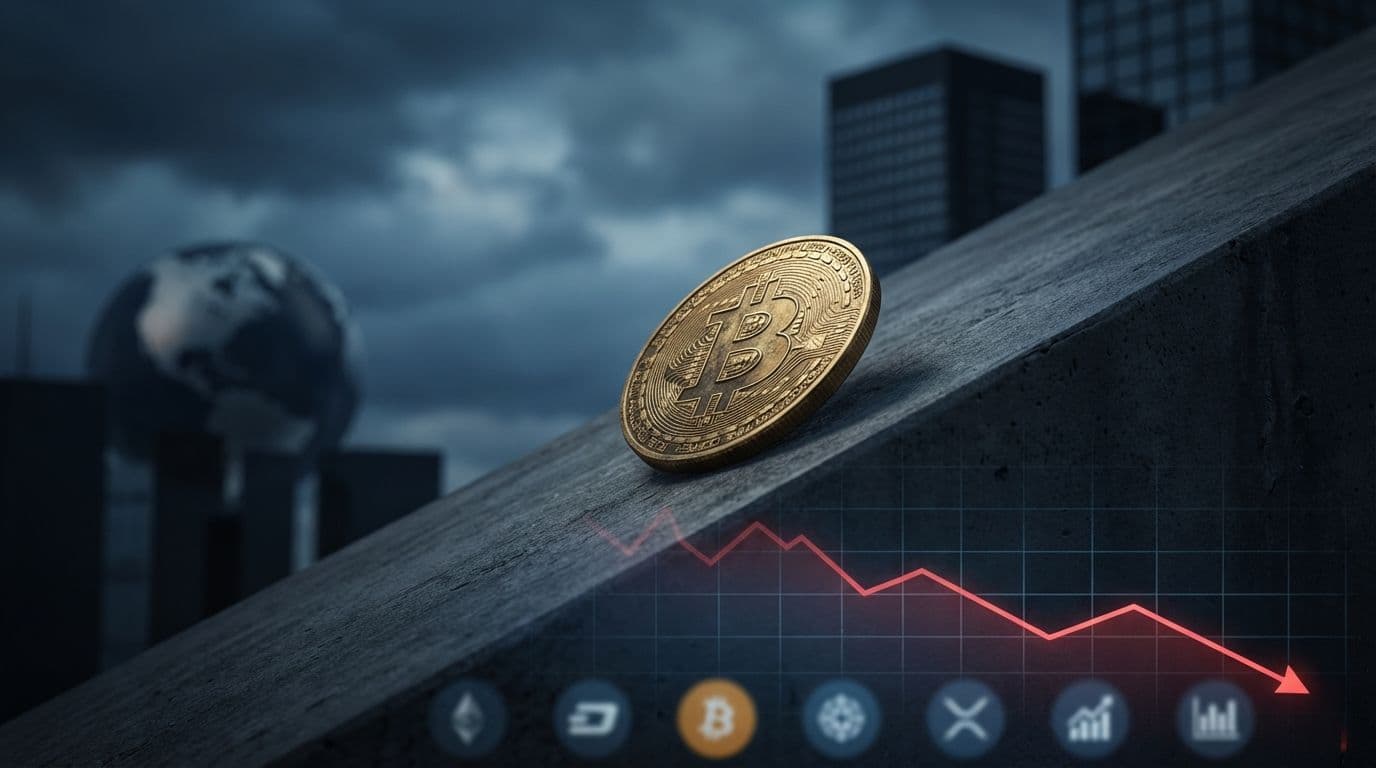
Bitcoin Slides Down Global Asset Hierarchy Amidst Shifting Market Dynamics
The cryptocurrency landscape is in constant flux, and recent movements in the market capitalization of Bitcoin (BTC) underscore this reality. Bitcoin, the original and still most prominent cryptocurrency, has recently relinquished its position within the top ten global assets by market capitalization. This shift highlights a period of significant change within both traditional and digital asset classes.
Analysis of current market data indicates that Bitcoin now ranks outside the top ten, a position it had maintained for a considerable amount of time. This decline is not necessarily indicative of a complete market collapse, but rather, a realignment of investment preferences and a maturation of the digital asset space. The ascent of other assets, both traditional and within the crypto ecosystem, has contributed to this change. Examining the market capitalization of various entities provides insight into the underlying forces at play. Several technology giants and established financial institutions, possessing considerably larger market caps, now sit above Bitcoin in the global hierarchy. Furthermore, the growth of alternative cryptocurrency projects, often referred to as altcoins, has attracted significant capital, contributing to Bitcoin's relative decline in the overall rankings.
This dynamic is not entirely unexpected. The cryptocurrency market has evolved from its nascent stages. Institutional investment has steadily increased, bringing with it a greater emphasis on risk management and diversification. This has led to funds being allocated across a broader spectrum of assets, impacting the concentration of capital previously observed in Bitcoin. Furthermore, the emergence of the metaverse and related projects, often incorporating their own native tokens, has also drawn investor attention and capital away from the more established cryptocurrencies. The increasing popularity of decentralized finance (DeFi) platforms and non fungible tokens (NFTs) further contributes to this diversification trend.
Experienced crypto traders will understand that market capitalization is a critical metric for evaluating an asset's size and influence. While a lower ranking doesn't necessarily dictate a negative outlook for Bitcoin price, it does signify a change in the competitive landscape. The market cap ranking is a key indicator, providing valuable context for understanding the broader market trends. Monitoring these shifts allows traders to adapt their strategies and make informed decisions. The continued evolution of the cryptocurrency market, combined with fluctuating investor sentiment, will likely continue to reshape the global asset hierarchy. Crypto traders must therefore remain vigilant, constantly analyzing market data and adjusting their portfolios to reflect the current climate. The ability to correctly interpret these shifts is crucial for navigating the complexities of the digital asset markets.
⚡Trading Benefits
20% CashbackLifetime cashback on all your trades.
- 20% fees back — on every trade
- Paid out directly by the exchange
- Set up in 2 minutes
Affiliate links · No extra cost to you
20%
Cashback
Example savings
$1,000 in fees
→ $200 back
Related Articles



Disclaimer
This article is for informational purposes only. The content does not constitute financial advice, investment recommendation, or solicitation to buy or sell securities or cryptocurrencies. Biturai assumes no liability for the accuracy, completeness, or timeliness of the information. Investment decisions should always be made based on your own research and considering your personal financial situation.