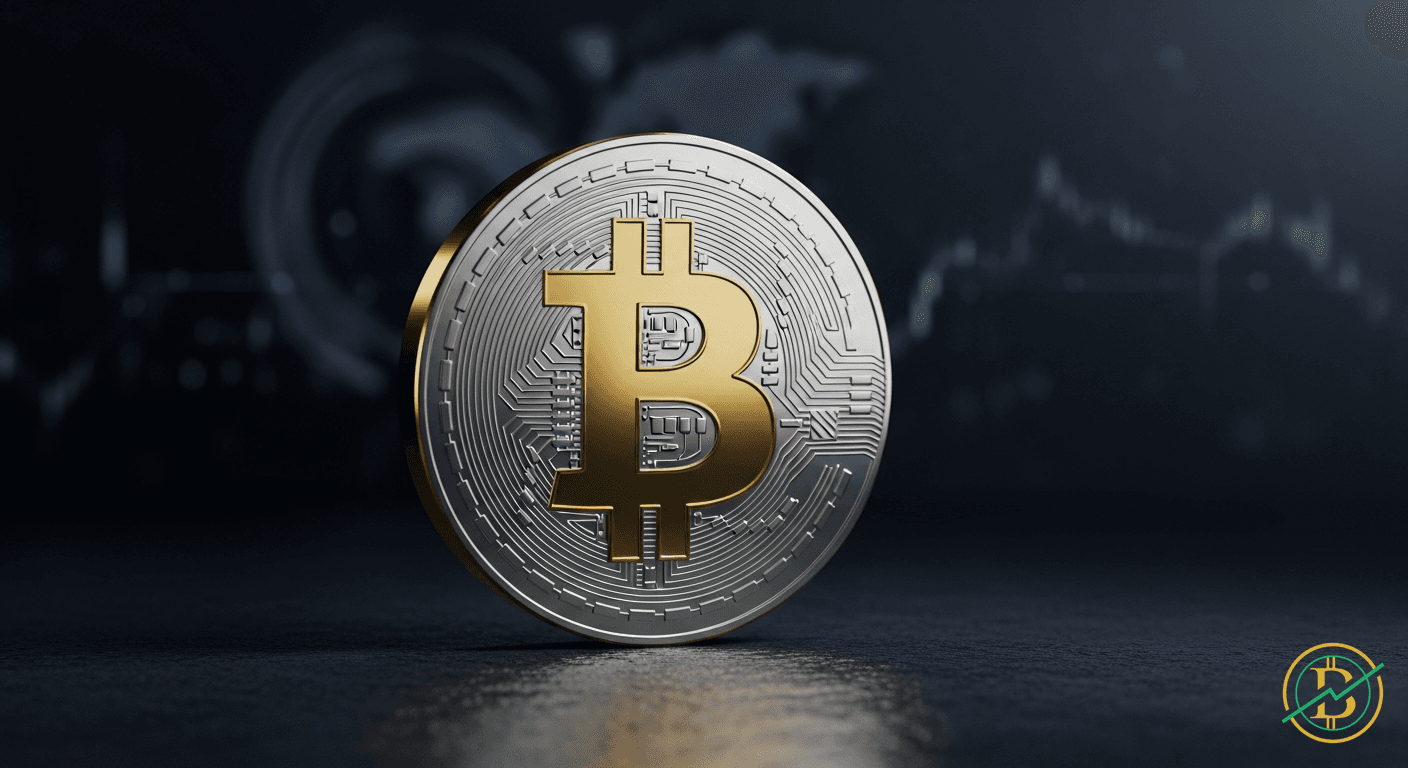
Bitcoin Navigates Geopolitical Storm Inflationary Waters
Key Insights
- →Strait of Hormuz closure fuels oil price volatility, impacting global markets.
- →Inflationary pressures and geopolitical uncertainty create a complex environment.
- →Bitcoin's price stability during crisis warrants analysis by institutional investors.
What Happened?
The closure of the Strait of Hormuz, a crucial global oil chokepoint, has sent ripples throughout international markets. This critical waterway, responsible for a significant percentage of the world's crude oil transit, is currently inaccessible. The immediate consequence is a surge in oil prices, reflecting supply chain disruptions and escalating geopolitical tensions. This has coincided with the United States reporting a five percent inflation rate, further complicating the economic landscape. Bitcoin, in the face of these developments, has demonstrated a degree of price stability, trading around the $67,000 mark.
The confluence of these factors – oil market instability, inflationary pressures, and global unrest – presents a challenging environment for traditional assets. The situation demands close scrutiny from experienced crypto traders seeking to understand the potential implications for digital assets. The interplay between these forces is particularly relevant for those tracking the movements of institutional investors and considering portfolio adjustments.
Background
The Strait of Hormuz’s strategic importance stems from its role as a vital link in the global energy supply chain. Its closure, whether temporary or prolonged, invariably impacts oil prices, influencing economic indicators across the board. The current situation reflects a broader trend of geopolitical instability, with implications that extend beyond immediate market reactions. Simultaneously, a five percent inflation rate in the US adds another layer of complexity. This figure impacts investment strategies and asset allocation decisions, especially within the context of rising interest rates.
Bitcoin, as a decentralized digital currency, has often been discussed as a potential hedge against inflation and a safe haven asset during times of economic uncertainty. Its performance during the current crisis warrants careful consideration. Bitcoin's inherent characteristics, such as its fixed supply and resistance to censorship, make it an intriguing asset in an environment characterized by both financial and geopolitical risk.
Market Impact
The closure of the Strait of Hormuz will undoubtedly be felt across various sectors, including energy, transportation, and potentially consumer goods. This could further amplify inflationary pressures, creating a challenging environment for all assets. Investors are closely monitoring how Bitcoin reacts to these developments. Its current price stability, despite the economic instability, is a key observation point. Market analysts and seasoned traders will be evaluating whether Bitcoin can maintain this resilience or succumb to wider market pressures.
Furthermore, the response from institutional investors is particularly noteworthy. Companies like JPMorgan and other large financial institutions are constantly reevaluating their positions in light of these events. The performance of Bitcoin, especially in relation to other assets like EV stocks and traditional commodities, could influence future investment strategies. The coming weeks will be crucial in determining Bitcoin’s trajectory and its role in a world grappling with persistent economic and geopolitical headwinds. The cryptocurrency market observes closely for any signs of major capitulation or a potential breakout beyond the $70,000 level.
⚡Trading Benefits
20% CashbackLifetime cashback on all your trades.
- 20% fees back — on every trade
- Paid out directly by the exchange
- Set up in 2 minutes
Affiliate links · No extra cost to you
20%
Cashback
Example savings
$1,000 in fees
→ $200 back
Related Articles
Significant Bitcoin Accumulation Signals Potential Price Stability

Bitcoin's Role in the Emerging Artificial Intelligence Landscape: A Strategic Assessment

Bitcoin Fortune Battle: UK Man Accuses Wife of Crypto Heist
Bitcoin's Consolidation Phase: Wintermute's Insights on Key Indicators
Disclaimer
This article is for informational purposes only. The content does not constitute financial advice, investment recommendation, or solicitation to buy or sell securities or cryptocurrencies. Biturai assumes no liability for the accuracy, completeness, or timeliness of the information. Investment decisions should always be made based on your own research and considering your personal financial situation.