Bitcoin Mining Reimagined as a Grid Stabilizer in the Age of AI
Key Insights
- →Bitcoin miners are increasingly viewed as flexible demand resources for the power grid.
- →This shift challenges the traditional narrative of Bitcoin mining as purely energy intensive.
- →AI's growing power needs are accelerating the reevaluation of energy consumption.
What Happened?
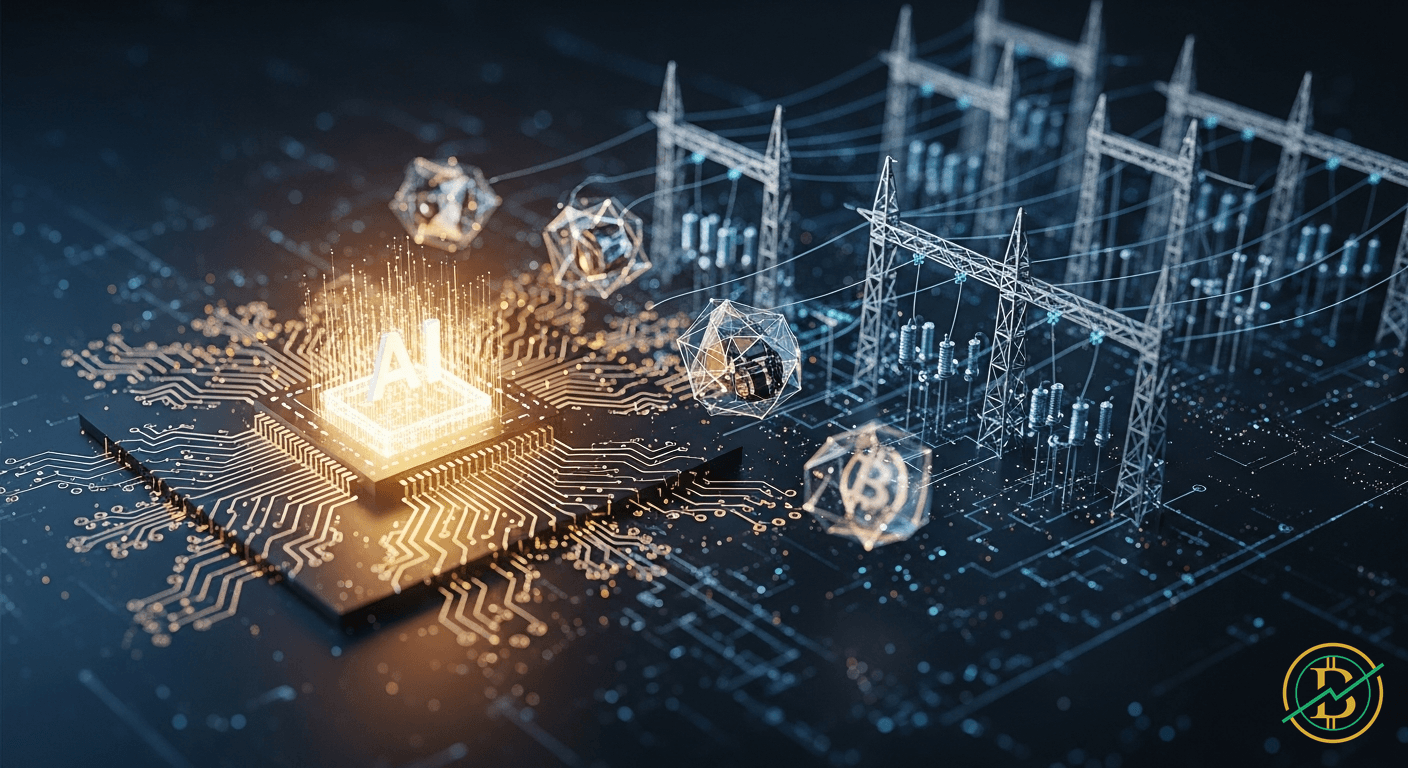
The narrative surrounding Bitcoin mining's energy consumption is undergoing a significant transformation. Recently, industry analysts have begun to challenge the established view of Bitcoin miners as simply energy drains. Instead, they are positioning these miners as flexible and adaptable demand resources capable of providing stability to the electrical grid. This reframing is particularly relevant in the context of the burgeoning artificial intelligence (AI) sector, which is rapidly increasing overall energy demand. The argument centers on the idea that Bitcoin mining, with its ability to be turned on or off in response to grid conditions, can act as a crucial tool for balancing supply and demand. This positions miners not as burdens, but as potential partners in ensuring grid reliability.
This shift in perspective is driven by several factors, including advancements in mining technology and the growing sophistication of energy markets. Bitcoin mining operations, particularly large scale facilities, are now capable of responding to signals from the grid operator, curtailing or increasing their power consumption based on real time needs. This capability makes them comparable to other grid balancing resources, such as demand response programs and battery storage systems. Furthermore, the development of sophisticated software allows miners to automatically adjust their operations to maximize profitability while also contributing to grid stability.
Background
Historically, the primary concern surrounding Bitcoin mining has been its energy consumption. The proof of work consensus mechanism, which underpins the Bitcoin network, necessitates significant computational power, leading to high electricity usage. Critics have frequently pointed to this energy intensity as a major environmental concern, arguing that it contributes to greenhouse gas emissions and strains existing infrastructure. However, the energy landscape is changing. The integration of renewable energy sources, the increasing demand from AI applications and the technological advancements in mining hardware are all contributing to the reevaluation of Bitcoin mining's role.
The emergence of AI, with its insatiable appetite for computing power, has intensified the debate around energy consumption. The vast amounts of electricity needed to train and operate AI models are putting significant pressure on the grid. This backdrop has prompted a renewed focus on energy efficiency and grid optimization strategies. Bitcoin miners, with their inherent flexibility, are now seen as a potential solution to this evolving energy challenge. Their ability to shed load during peak demand periods or to absorb excess energy from renewable sources makes them a valuable asset in a more dynamic and complex energy ecosystem.
Market Impact
This changing perception of Bitcoin mining has several implications for the market. It could attract more institutional investment into mining operations, particularly those that prioritize grid integration and renewable energy sources. This could lead to increased professionalization of the sector and a greater focus on environmental, social, and governance (ESG) factors. Furthermore, the development of new financial products, such as grid services contracts for miners, may emerge. These contracts would compensate miners for their contribution to grid stability, potentially increasing their profitability.
The long term effects will depend on the evolution of energy markets, the adoption of renewable energy, and the regulatory landscape. If the trend continues, Bitcoin miners could become an integral part of the modern energy system, contributing to grid reliability and potentially reducing the overall environmental impact of both Bitcoin and the AI sectors. The integration of AI into energy management systems will likely accelerate this trend, as the ability to forecast and respond to grid needs in real time becomes increasingly important.
⚡Trading Benefits
20% CashbackLifetime cashback on all your trades.
- 20% fees back — on every trade
- Paid out directly by the exchange
- Set up in 2 minutes
Affiliate links · No extra cost to you
20%
Cashback
Example savings
$1,000 in fees
→ $200 back
Related Articles
Significant Bitcoin Accumulation Signals Potential Price Stability

Bitcoin's Role in the Emerging Artificial Intelligence Landscape: A Strategic Assessment

Bitcoin Fortune Battle: UK Man Accuses Wife of Crypto Heist
Bitcoin's Consolidation Phase: Wintermute's Insights on Key Indicators
Disclaimer
This article is for informational purposes only. The content does not constitute financial advice, investment recommendation, or solicitation to buy or sell securities or cryptocurrencies. Biturai assumes no liability for the accuracy, completeness, or timeliness of the information. Investment decisions should always be made based on your own research and considering your personal financial situation.