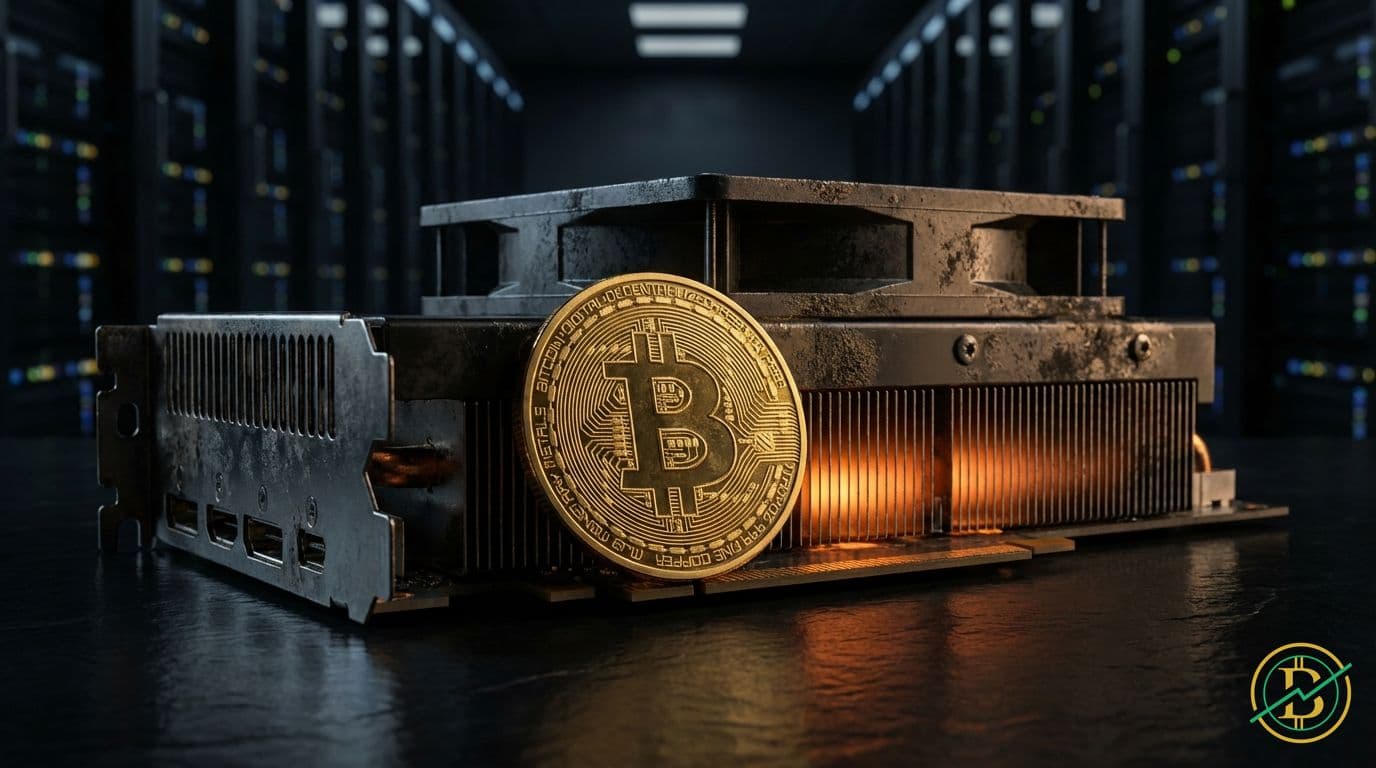
Bitcoin Mining Expenses Surge Reflecting Market Realities
Key Insights
- →Average Bitcoin mining costs now exceed $70,000, signaling pressure.
- →Increases tied to higher energy costs and mining difficulty adjustments.
- →This trend directly impacts miner profitability and overall market dynamics.
What Happened?
The financial landscape for Bitcoin miners is shifting. Recent data indicates the average cost to mine a single Bitcoin has climbed above $70,000. This marks a notable increase from earlier in the year, when estimates placed the cost around $67,704. This increase has implications for the entire Bitcoin ecosystem. The surge in these expenses underscores the complex interplay of factors affecting the profitability of digital asset mining operations. This includes fluctuating energy prices and the dynamic adjustments within the Bitcoin network itself.
This rise in mining expenses is not an isolated event. It is a reflection of ongoing trends within the industry. CryptoQuant founder Ki Young Ju highlighted the upward trajectory. This was based on insights derived from recent disclosures made by MARA Holdings, a prominent player in the Bitcoin mining space. The data paints a clear picture of the escalating challenges faced by miners.
Background
The mechanics of Bitcoin mining are intricately tied to computational power and energy consumption. Miners deploy specialized hardware to solve complex cryptographic puzzles, validating transactions and adding new blocks to the blockchain. As more miners enter the network, the difficulty of these puzzles increases. This, in turn, requires more powerful hardware and, consequently, greater energy expenditure. The price of electricity, a significant operational expense, varies geographically and is subject to market fluctuations. Rising electricity costs directly erode miners’ profit margins.
The Bitcoin network’s design incorporates a difficulty adjustment mechanism. This system recalibrates the mining difficulty approximately every two weeks, ensuring a consistent block creation rate. When more computing power joins the network, the difficulty rises. Conversely, when miners leave, the difficulty decreases. These adjustments are designed to maintain the stability of the Bitcoin blockchain. However, they also influence the cost of mining, as increased difficulty necessitates greater resource allocation.
Market Impact
The elevated costs of Bitcoin mining have immediate effects on miner profitability. Miners must carefully manage their operational expenses to remain competitive and maintain profitability. This can lead to strategic decisions, such as delaying hardware upgrades or relocating mining operations to regions with more favorable energy costs. The profitability of each miner is vital to the stability of the network.
The climbing costs also influence the broader market dynamics. If the cost to mine a Bitcoin exceeds its market value, miners might be compelled to sell their holdings, potentially adding selling pressure to the market. Furthermore, this trend could influence the investment landscape, with investors carefully evaluating the financial viability of mining operations. The current environment highlights the evolving nature of the Bitcoin mining industry.
⚡Trading Benefits
20% CashbackLifetime cashback on all your trades.
- 20% fees back — on every trade
- Paid out directly by the exchange
- Set up in 2 minutes
Affiliate links · No extra cost to you
20%
Cashback
Example savings
$1,000 in fees
→ $200 back
Related Articles

Ironlight's $21 Million Infusion Fuels Tokenized Securities Ambitions
Bitcoin Accumulation Strategy Swells Holdings Following Significant Purchase

Bitcoin Whale Activity Signals Renewed Accumulation and Potential Price Action

Euro Dollar Stability Tested as Crypto Market Volatility Persists
Disclaimer
This article is for informational purposes only. The content does not constitute financial advice, investment recommendation, or solicitation to buy or sell securities or cryptocurrencies. Biturai assumes no liability for the accuracy, completeness, or timeliness of the information. Investment decisions should always be made based on your own research and considering your personal financial situation.