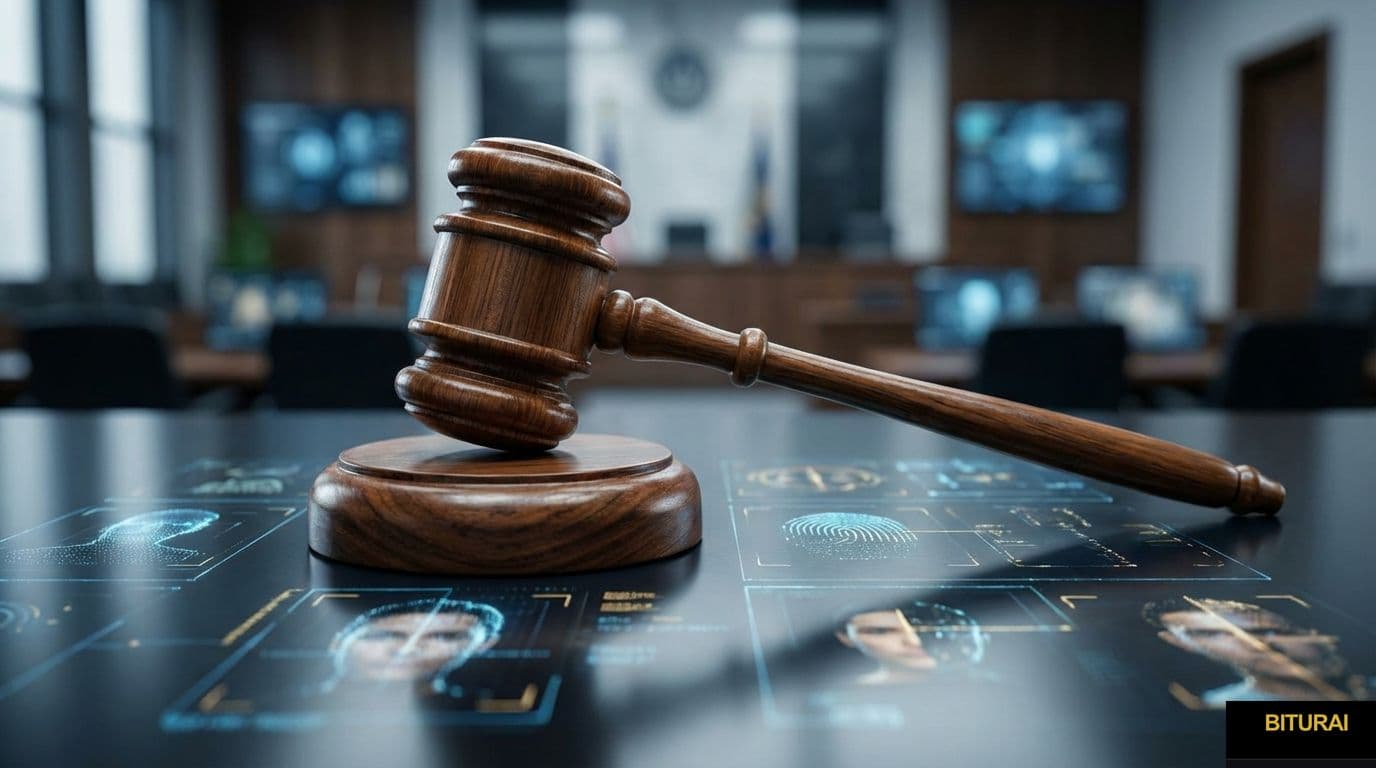
Arizona Lawsuit Spotlights AI Deepfakes and the Vulnerability of Digital Identities
A lawsuit filed in Arizona is sending ripples through the cryptocurrency and wider digital asset community, highlighting the escalating threat of artificial intelligence (AI) deepfakes and the potential for severe financial and reputational damage. Three Arizona women have brought legal action against multiple individuals and entities, alleging the unauthorized creation and dissemination of deepfake images using their likenesses. The plaintiffs claim their photographs were scraped from their social media profiles and subsequently used to train AI models, resulting in the generation of manipulated images.
This case underscores the growing sophistication of AI technology and its potential for misuse. The ability to create convincing deepfakes has evolved rapidly, making it increasingly difficult to distinguish between genuine content and AI-generated fabrications. The plaintiffs are alleging that their images were exploited to create deepfakes, which were then potentially used for malicious purposes, including scams, extortion, and reputational harm. The specific details regarding the nature of the deepfakes and their intended use are still unfolding within the legal proceedings.
For cryptocurrency traders and investors, this situation presents a significant risk profile. The proliferation of deepfakes raises concerns about the security of digital identities, a critical element in the operation of decentralized finance (DeFi) platforms and cryptocurrency exchanges. Imagine deepfakes used to impersonate key figures within the crypto space, such as project founders or well known influencers. Such deepfakes could be used to promote fraudulent investment schemes, manipulate markets, or steal digital assets through social engineering tactics.
Furthermore, the lawsuit highlights the vulnerability of personal information in the digital age. Social media platforms, while offering valuable networking and information sharing opportunities, also expose individuals to the risk of data scraping and potential misuse of their personal data. The ease with which images and other personal details can be extracted and then leveraged to train AI models is a growing concern. This creates opportunities for bad actors to create convincing scams.
The legal action in Arizona is a stark reminder of the evolving challenges within the digital landscape. As AI technology advances, so too does the potential for abuse. The case will likely serve as a precedent, drawing attention to the legal and ethical implications of deepfake technology. The outcome of the lawsuit could have a ripple effect on the security protocols employed by social media platforms, AI developers, and cryptocurrency exchanges, with the potential to influence how digital identities are verified and protected in the future. The cryptocurrency community should pay close attention to this case as the legal system tries to keep up with the advances in AI and its potential misuse. The potential for the manipulation of markets, the spread of misinformation, and the erosion of trust in the digital realm are all at stake.
⚡Trading Benefits
20% CashbackLifetime cashback on all your trades.
- 20% fees back — on every trade
- Paid out directly by the exchange
- Set up in 2 minutes
Affiliate links · No extra cost to you
20%
Cashback
Example savings
$1,000 in fees
→ $200 back
Disclaimer
This article is for informational purposes only. The content does not constitute financial advice, investment recommendation, or solicitation to buy or sell securities or cryptocurrencies. Biturai assumes no liability for the accuracy, completeness, or timeliness of the information. Investment decisions should always be made based on your own research and considering your personal financial situation.